
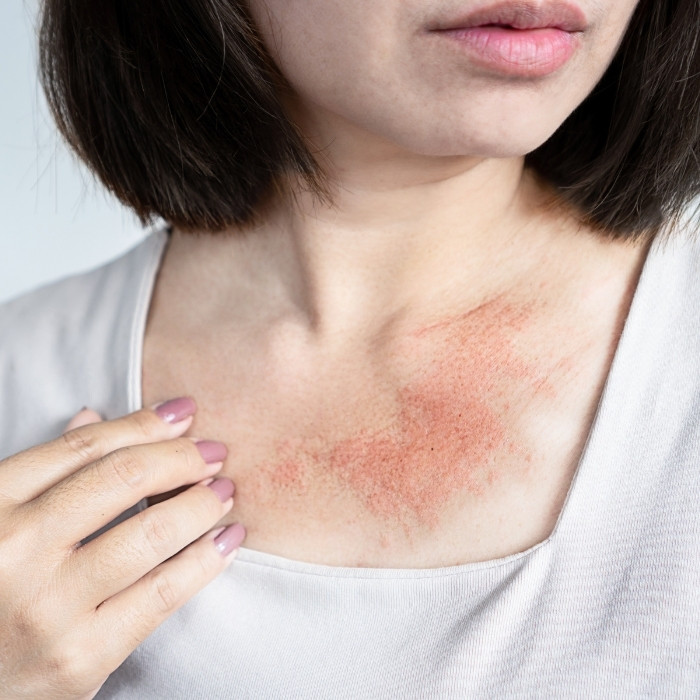
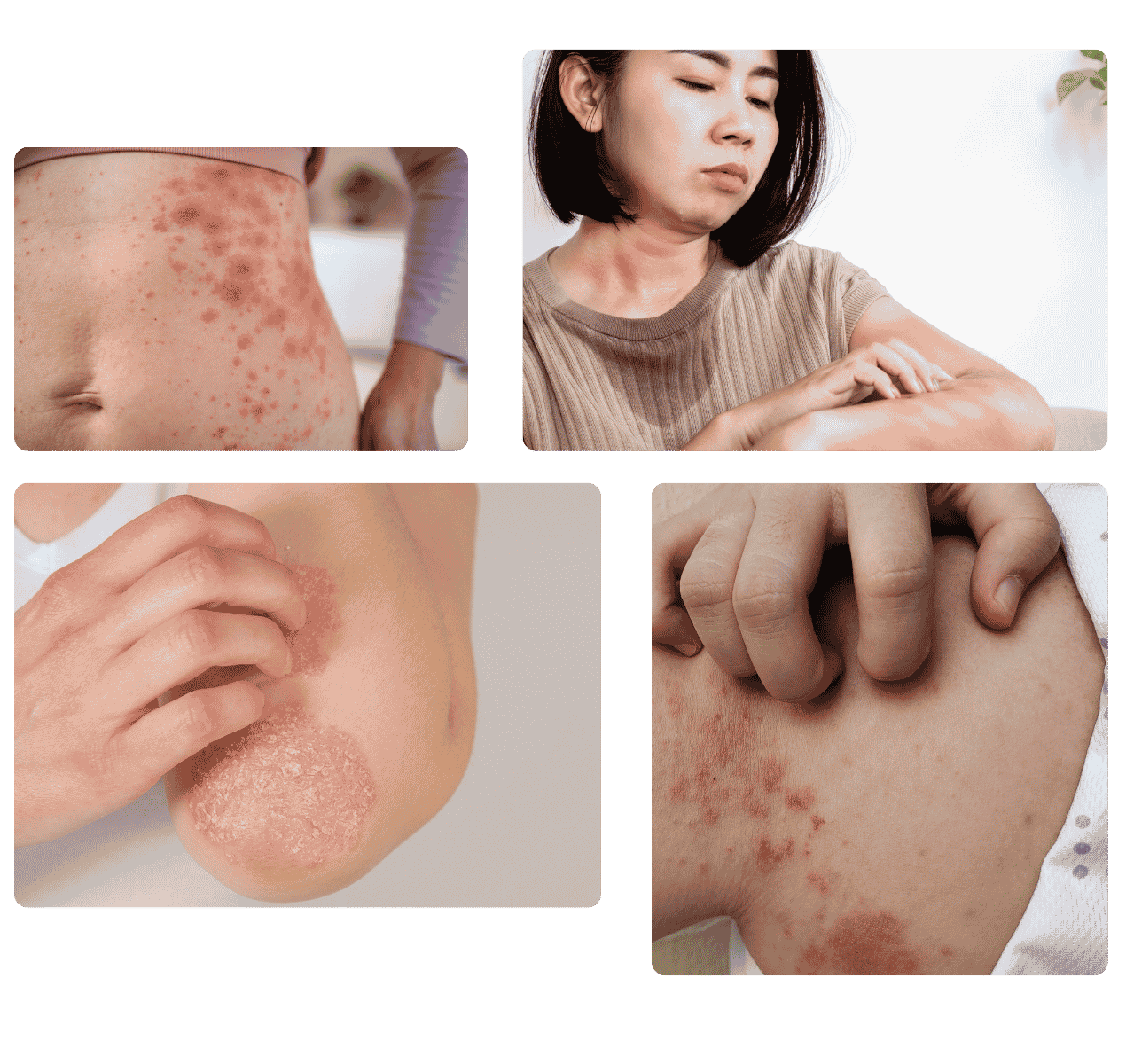
Chronic hives (urticaria) and rashes are often signs of immune system activation rather than isolated skin conditions. While some skin concerns are caused by acute infections such as fungal infections, bacterial rashes, or contact reactions, this page focuses specifically on chronic or recurring hives and rashes that come and go over time. These patterns commonly reflect underlying immune sensitivity, inflammation, gut imbalances, histamine dysregulation and nervous system stress rather than a single external cause.
Many individuals experience flare-ups despite avoiding obvious triggers or using topical treatments, suggesting deeper physiological contributors driving skin reactivity beneath the surface.

Acne can present differently depending on the underlying root cause. Common patterns include:
1. Immune System Dysregulation
Chronic hives and rashes often develop when the immune system becomes overly reactive rather than protective. Instead of responding only to true threats, immune cells may begin reacting to everyday exposures such as foods, temperature changes, stress, or environmental factors. This heightened immune sensitivity promotes the release of inflammatory mediators, including histamine, which increase blood vessel permeability, leading to redness, swelling, and itching. Chronic immune activation can keep the skin in a persistent state of inflammation even when no clear trigger is present.
2. Histamine Intolerance & Mast Cell Activation
Histamine is a normal immune chemical involved in defense, digestion, and nervous system signaling. Problems arise when histamine production exceeds the body’s ability to break it down. Reduced activity of histamine-degrading enzymes, gut inflammation, hormonal fluctuations, or chronic stress can impair histamine clearance. In some individuals, mast cells which are specialized immune cells found abundantly in the skin, become overly sensitive and release histamine too easily. This can result in recurrent hives, flushing, itching, swelling, or skin reactions that seem unpredictable or disproportionate to triggers.
3. Gut Health Imbalances
The gut and immune system are deeply interconnected, with nearly 70% of immune activity originating in the digestive tract. Disruptions in the microbiome (dysbiosis), bacterial overgrowth, or increased intestinal permeability (“leaky gut”) can allow inflammatory compounds and immune triggers to enter circulation. This heightened immune surveillance may manifest externally through skin reactions such as chronic hives, eczema-like rashes, or unexplained irritation. Supporting gut integrity is often a key step in calming systemic inflammation.
4. Food Sensitivities & Environmental Triggers
Unlike immediate allergies that triggers a reaction in minutes, food sensitivities and chemical irritants can cause slow, quiet inflammation that builds up over time. Common culprits include certain foods, artificial additives, and hidden fragrances. At the same time, physical factors like sudden temperature changes or skin pressure can cause irritable immune cells in your skin to misfire. Since these reactions can be delayed or cumulative, it can be more difficult to spot the patterns. Constant exposure to these daily triggers keeps your immune system stuck on ‘high alert,’ which prevents your skin from healing.
5. Stress & Nervous System Activation
The skin is highly responsive to the nervous system. Chronic stress activates the sympathetic “fight-or-flight” response, increasing cortisol fluctuations, inflammatory signaling, and mast cell activation. This neuro-immune connection explains why hives frequently worsen during emotional stress, illness, sleep disruption, or periods of overwhelm. Supporting nervous system regulation is therefore an important component of reducing skin reactivity and promoting long-term stability.
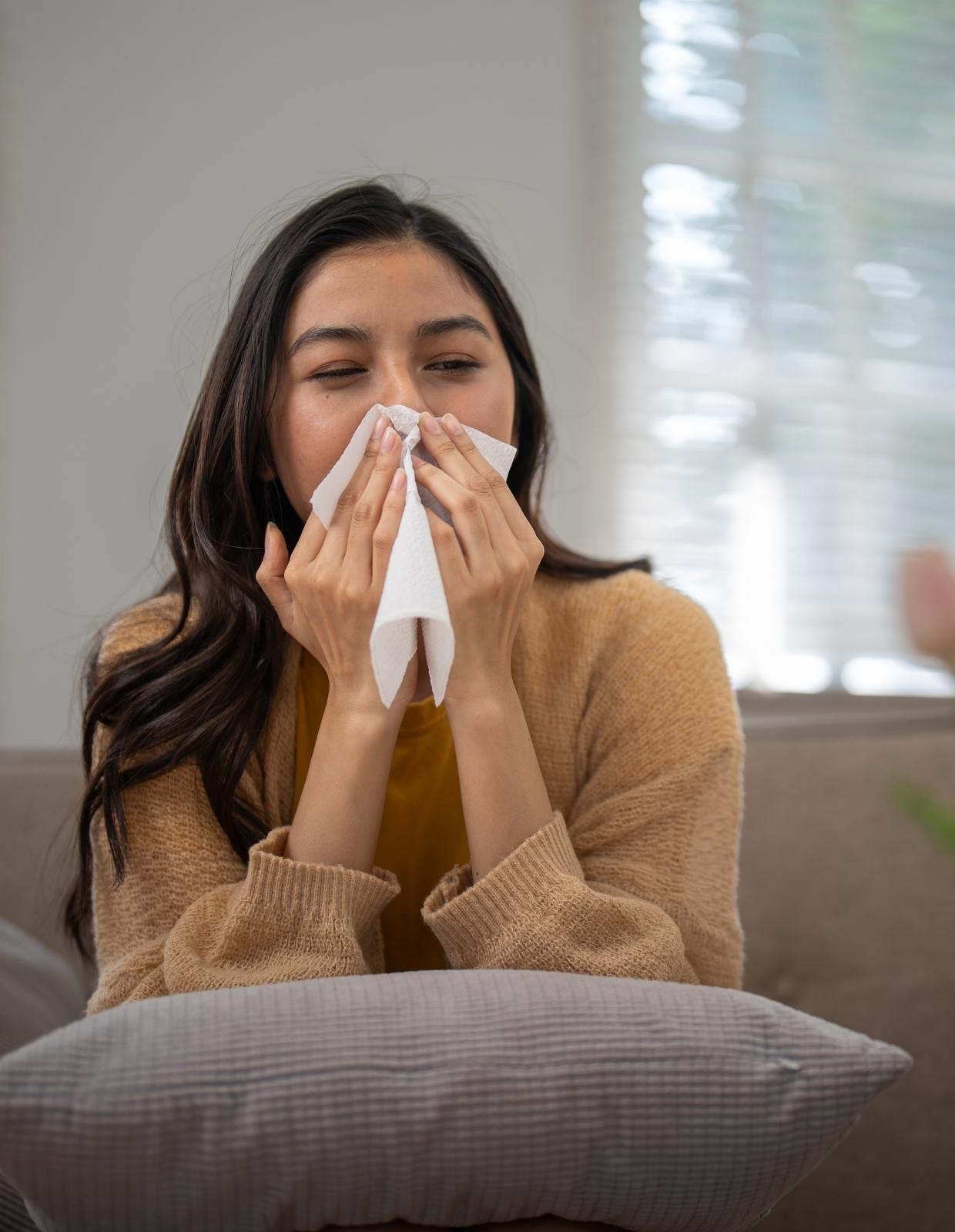
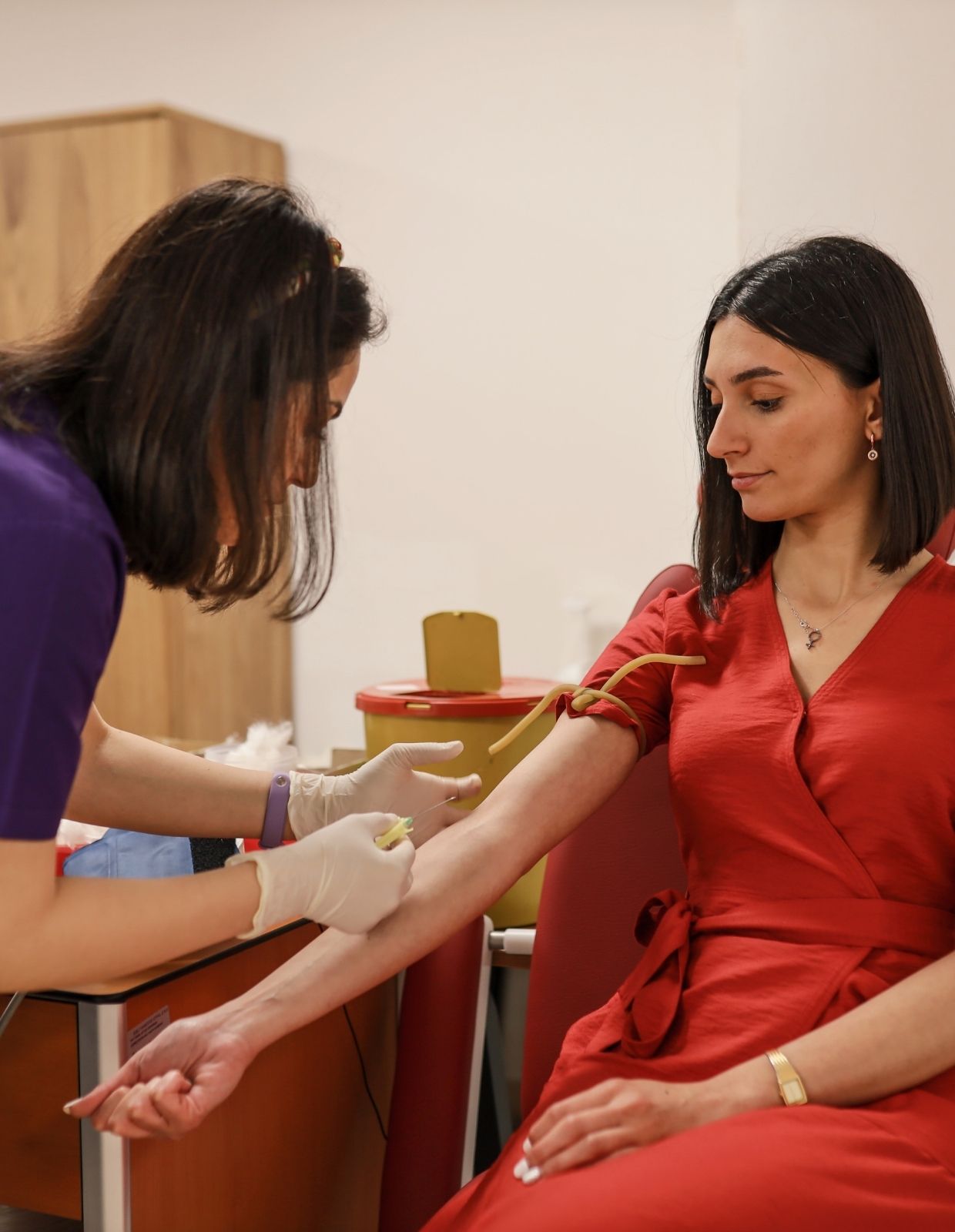
At Vitalita Wellness Institute, we work to rebalance the body while uncovering the underlying triggers and patterns contributing to your symptoms.
Comprehensive Testing (When Appropriate)
Personalized Nutrition
Botanical & Functional Medicine Support
Lifestyle & Nervous System Regulation
Hives appear intermittently because the immune system's activity levels fluctuate throughout the day. When immune cells misfire, they release histamine, causing a temporary welt. As the body naturally clears that histamine away, the swelling fades but if the immune system stays on high alert, it will simply trigger new hives in different spots.
Stress can significantly influence immune function and mast cell activity. While stress may not be the only factor, it is a common contributor to flare-ups and symptom persistence.
Many people experience improvement when underlying triggers are addressed.
Histamine levels naturally rise in the evening, and cortisol, which is your body’s anti-inflammatory hormone, declines at night. This combination can make itching, flushing, or swelling more noticeable after dinner or before bed.
Antihistamines block histamine activity but do not address why histamine is being released in excess. Identifying underlying contributors such as gut imbalance, stress physiology, or immune dysregulation is often necessary for lasting improvement.
Hormonal fluctuations, particularly involving estrogen, progesterone, and cortisol, can influence immune signaling and histamine metabolism. Some individuals notice flare-ups around ovulation, menstruation, or periods of hormonal change.
Yes. An integrative approach can complement dermatologic care by supporting internal issues like gut imbalances, high stress, or hormone shifts that triggered the immune system in the first place.
Here are some of our own blogs that speak directly to acne related themes:
Why Your Skincare Isn’t Working: The Gut-Skin Axis Explained
If you’ve tried every cream, serum, and treatment but your skin still isn’t clear, glowing, or youthful—you’re not alone. Many adult women invest in high-end skincare hoping to fix acne, rosacea, or signs of premature aging, only to feel frustrated when results never quite live up to the promise.

You don’t have to keep managing unpredictable flare-ups alone. Our approach looks beyond the surface of your skin to address the root causes of your symptoms. By uncovering triggers, repairing your gut barrier, balancing your hormones, and calming your nervous system, we help restore your immune balance, reduce skin reactivity, and help you achieve improvement.
Book a Free Discovery Call HERE or reach out to us to learn how we can support your journey toward healthier skin.
Ready to embark on your health journey? Book your appointment online and let’s work together to achieve your health goals.
Designed & Developed by ScaleUp42.com
We offer appointments online & in-person
Please provide your info so our patient care coordinator can reach out and help you
find the best practitioner and service
You will be redirected to our online booking system to select your time.
