
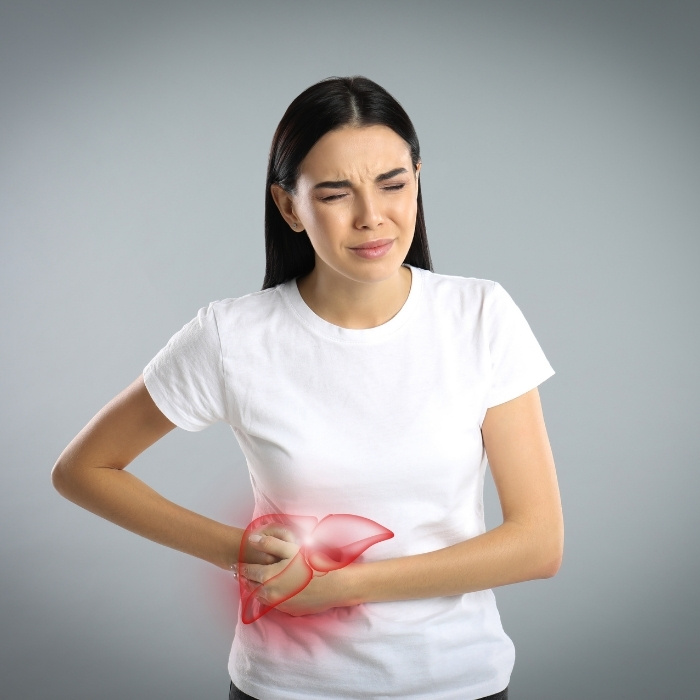
Fatty liver disease occurs when excess fat accumulates within the liver. While small amounts of fat in the liver is normal, excessive fat buildup can impair the liver’s ability to perform its many critical functions, including blood sugar regulation, hormone metabolism, detoxification, nutrient processing, and inflammation control.
There are two main types of fatty liver disease: alcohol-related fatty liver disease and non-alcoholic fatty liver disease (NAFLD). Non-alcoholic fatty liver disease, now increasingly referred to as Metabolic Dysfunction-Associated Steatotic Liver Disease (MASLD), is the most common form and is closely linked to insulin resistance, blood sugar imbalances, inflammation, and metabolic health.
Many individuals with fatty liver disease experience few or no symptoms in the early stages, which is why it is often discovered incidentally during routine blood work or imaging. However, if left unaddressed, fatty liver disease can progress to liver inflammation, scarring (fibrosis), cirrhosis, and an increased risk of cardiovascular disease.
At Vitalita Wellness Institute, we believe in addressing fatty liver disease by identifying and treating the underlying metabolic and lifestyle factors contributing to fat accumulation in the liver rather than simply monitoring liver enzymes.

Many people have no symptoms initially, but common signs may include:
Fatty liver disease is often a sign of broader metabolic dysfunction occurring throughout the body.
Insulin Resistance
One of the most common drivers of fatty liver disease is insulin resistance. When insulin levels remain elevated, the liver receives signals to produce and store more fat. Over time, this can lead to significant fat accumulation within liver cells.
Blood Sugar Dysregulation
Frequent blood sugar spikes and elevated insulin levels increase fat production in the liver. This is why fatty liver disease is commonly seen alongside prediabetes, Type 2 diabetes, PMOS (formerly PCOS), and metabolic syndrome.
Chronic Inflammation
Low-grade inflammation can contribute to liver damage and increase the risk of progression from simple fatty liver to more advanced liver disease. Inflammation may be influenced by diet, stress, gut health, environmental toxins, and metabolic dysfunction.
Gut Health & the Gut-Liver Connection
The gut and liver are closely connected. Gut dysbiosis, intestinal permeability (“leaky gut”), bacterial overgrowth, and digestive dysfunction can increase inflammatory compounds that place additional stress on the liver.
Hormone & Detoxification Imbalances
The liver plays a critical role in processing hormones and detoxifying environmental toxins. When liver function becomes impaired, hormone metabolism and detoxification pathways may become less efficient, contributing to broader health concerns.
Since fatty liver disease is often driven by multiple interconnected factors, it requires a comprehensive, root-cause approach rather than focusing solely on the liver itself.


Even individuals who consume little or no alcohol can develop fatty liver disease. At Vitalita Wellness Institute, we commonly explore:
At Vitalita Wellness Institute, we take a personalized, root-cause approach to improving liver health and metabolic function. Treatment is individualized but some options may include:
Comprehensive Testing (When Needed)
Personalized Nutrition
Botanical & Functional Medicine
Mitochondrial and metabolic support
Lifestyle & Nervous System Support

In many cases, yes. Early-stage fatty liver disease can often improve significantly when the underlying factors driving fat accumulation are addressed. The earlier intervention occurs, the greater the opportunity for improvement.
Yes. Most cases of fatty liver disease today are related to metabolic dysfunction, insulin resistance, and blood sugar imbalances rather than alcohol consumption.
Insulin resistance, elevated blood sugar, excess calorie intake, chronic inflammation, hormonal imbalances, and certain genetic factors can all contribute to fat accumulation within the liver.
Yes, although many people have no symptoms initially. Fatigue, brain fog, digestive complaints, weight gain, and elevated liver enzymes are common signs.
Yes. Fatty liver disease and insulin resistance are closely connected. Many individuals with fatty liver disease also have prediabetes, Type 2 diabetes, PMOS (formerly PCOS), or other metabolic conditions.
The timeline varies depending on the severity of the condition and the underlying factors involved. Many individuals begin seeing improvements in metabolic markers and liver function within several months of implementing targeted lifestyle and nutritional changes.

Here are some of our own blogs that speak directly to rosacea related themes:
Rosacea and the Gut: The Overlooked Role of SIBO
Rosacea is often treated as a purely skin-based condition—managed with topical creams, antibiotics, or laser therapy. Emerging research and clinical experience increasingly point to the gut, specifically Small Intestinal Bacterial Overgrowth (SIBO), as a major underlying contributor for many people with rosacea. A meta-analysis showed that those suffering with rosacea were 3.5 times more likely to have SIBO.

If you’ve been told you have fatty liver disease, elevated liver enzymes, insulin resistance, or metabolic dysfunction, we can help. Our personalized, root-cause approach is designed to uncover the factors contributing to liver stress and support long-term metabolic and liver health.
Book a Free Discovery Call HERE or reach out to us to explore how we might work together.
Ready to embark on your health journey? Book your appointment online and let’s work together to achieve your health goals.
Designed & Developed by ScaleUp42.com
We offer appointments online & in-person
Please provide your info so our patient care coordinator can reach out and help you
find the best practitioner and service
You will be redirected to our online booking system to select your time.
