

Food sensitivities are increasingly common, yet many women struggle for years without clear answers. Unlike food allergies—which cause immediate and often severe reactions—food sensitivities tend to create delayed, subtle, and chronic symptoms that are easy to overlook or misattribute. These reactions can affect digestion, hormones, energy, skin, mood, and even metabolism.
Food sensitivities occur when the body reacts negatively to certain foods, typically due to immune activation, digestive dysfunction, or barrier issues in the gut. Reactions may not appear for hours or even days after eating the trigger, which makes them difficult to identify without proper support. It’s important to know that these reactions usually stem from deeper imbalances—not the food itself. When gut health, immune regulation, and digestive function are restored, many sensitivities improve or resolve entirely.

Food sensitivities can affect multiple body systems. Symptoms often include:
Food sensitivities are rarely about the food alone—they’re usually a sign of deeper dysfunction in digestion, immune balance, or gut health. Some of the most common underlying causes include:
Gut Barrier Dysfunction (“Leaky Gut”)
When the intestinal lining becomes more permeable, particles from food can trigger immune responses, leading to widespread sensitivities.
Digestive Enzyme Insufficiencies
Low stomach acid, pancreatic enzymes, or bile flow can impair digestion and cause reactions to certain foods.
Dysbiosis or SIBO
Imbalanced gut bacteria or overgrowths can make it harder for your body to tolerate foods, especially carbohydrates and fermentable fibers.
Chronic Stress or Cortisol Dysregulation
Stress weakens digestion and gut barrier integrity, increasing the likelihood of food reactions.
Post-Infection Changes
After food poisoning, stomach flu, or travel-related illness, the gut can become more reactive.

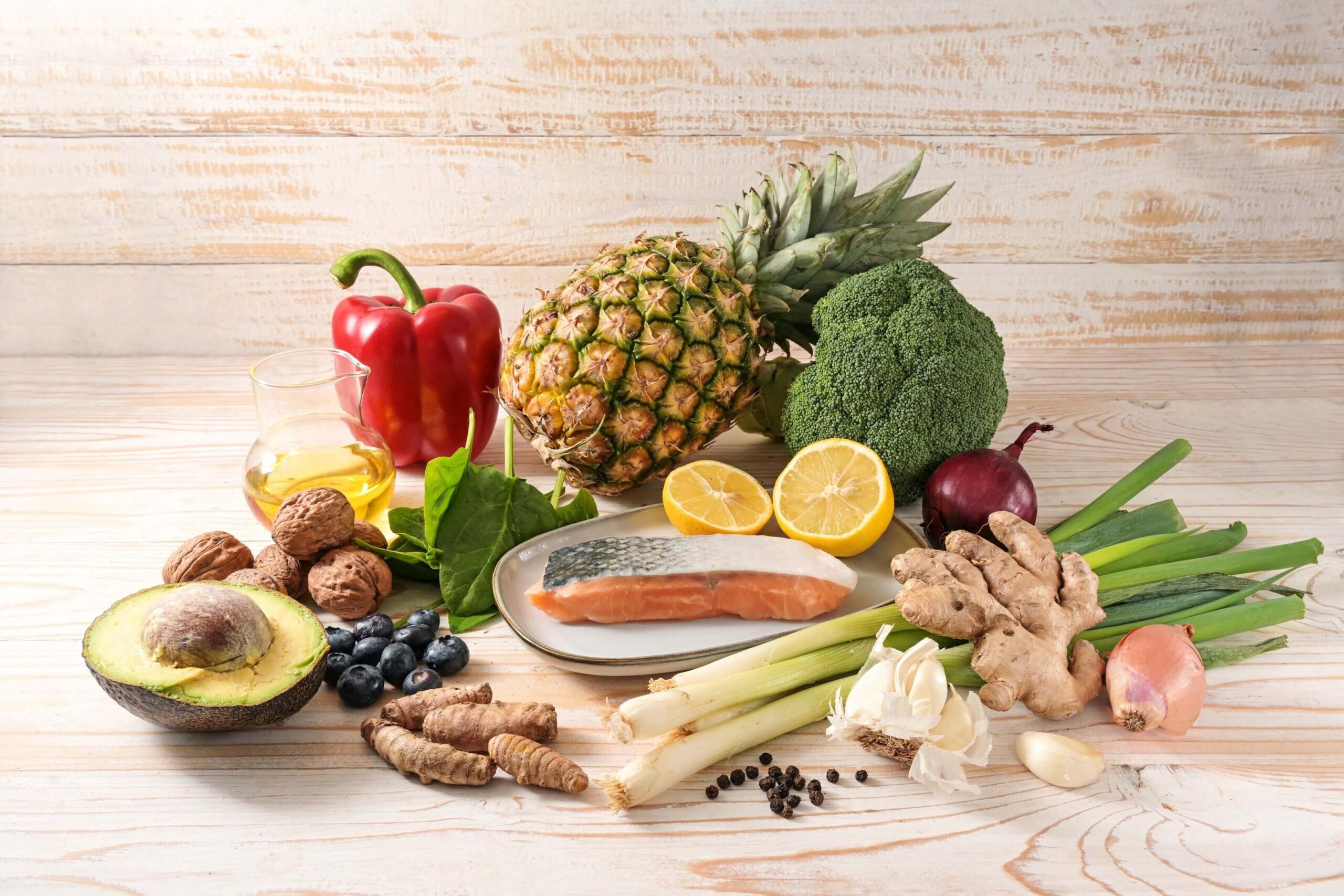
At Vitalita Wellness Institute, we focus on identifying root causes so you can heal your gut, calm your immune system, and regain food freedom. Here’s how we work:
Comprehensive Testing (When Needed)
Personalized Nutrition
Botanical & Functional Medicine
Lifestyle & Nervous System Support
No. Allergies cause immediate, often severe reactions and involve the IgE portion of the immune system. Sensitivities cause delayed, chronic symptoms and involve the IgG portion of the immune system.
Yes. Once the root causes—such as gut inflammation, dysbiosis, or low digestive capacity—are addressed, many sensitivities improve or resolve entirely.
Yes. We frequently support patients who take medications. Our approach integrates safely alongside your current care.

If food reactions are limiting your diet, affecting your digestion, or disrupting your daily life, we’re here to help. Our root-cause, naturopathic approach is designed to restore gut health and rebuild tolerance—not avoid foods forever.
Book a Free Discovery Call HERE or reach out to us to explore how we might work together.
Ready to embark on your health journey? Book your appointment online and let’s work together to achieve your health goals.
Designed & Developed by ScaleUp42.com
We offer appointments online & in-person
Please provide your info so our patient care coordinator can reach out and help you
find the best practitioner and service
You will be redirected to our online booking system to select your time.
