
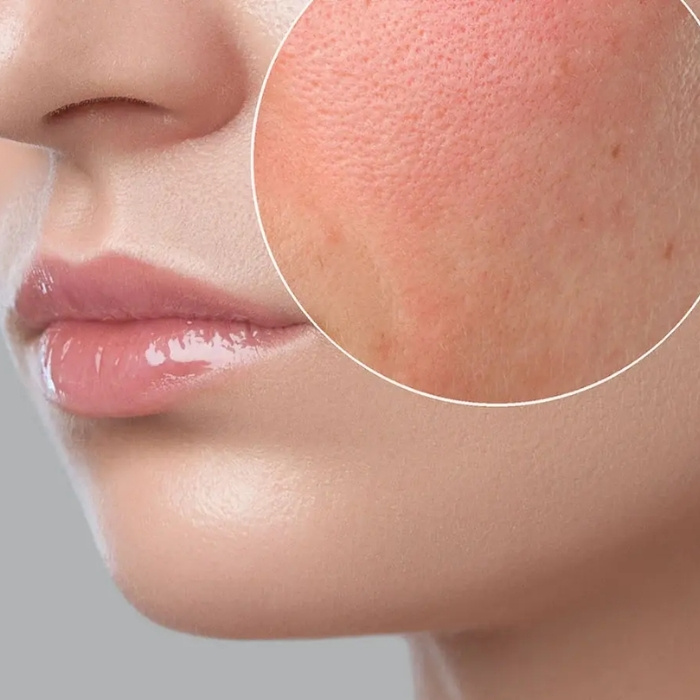
Dry, rough, or flaky skin is often assumed to be a simple hydration concern, but persistent dryness frequently reflects deeper internal imbalances. While environmental factors such as cold weather or skincare products can contribute, chronic dryness commonly points to disruptions in skin barrier function, thyroid health, hormones, nutrient status, gut function, and inflammation.
Healthy skin depends on proper oil production, hydration regulation, circulation, and nutrient delivery. When internal systems are under strain, the skin may become tight, dull, irritated, or prone to flaking despite consistent use of moisturizers or topical treatments.
Dryness that persists year-round, worsens during stress or hormonal shifts, or improves only temporarily with skincare suggests underlying physiological contributors that need to be addressed from within.
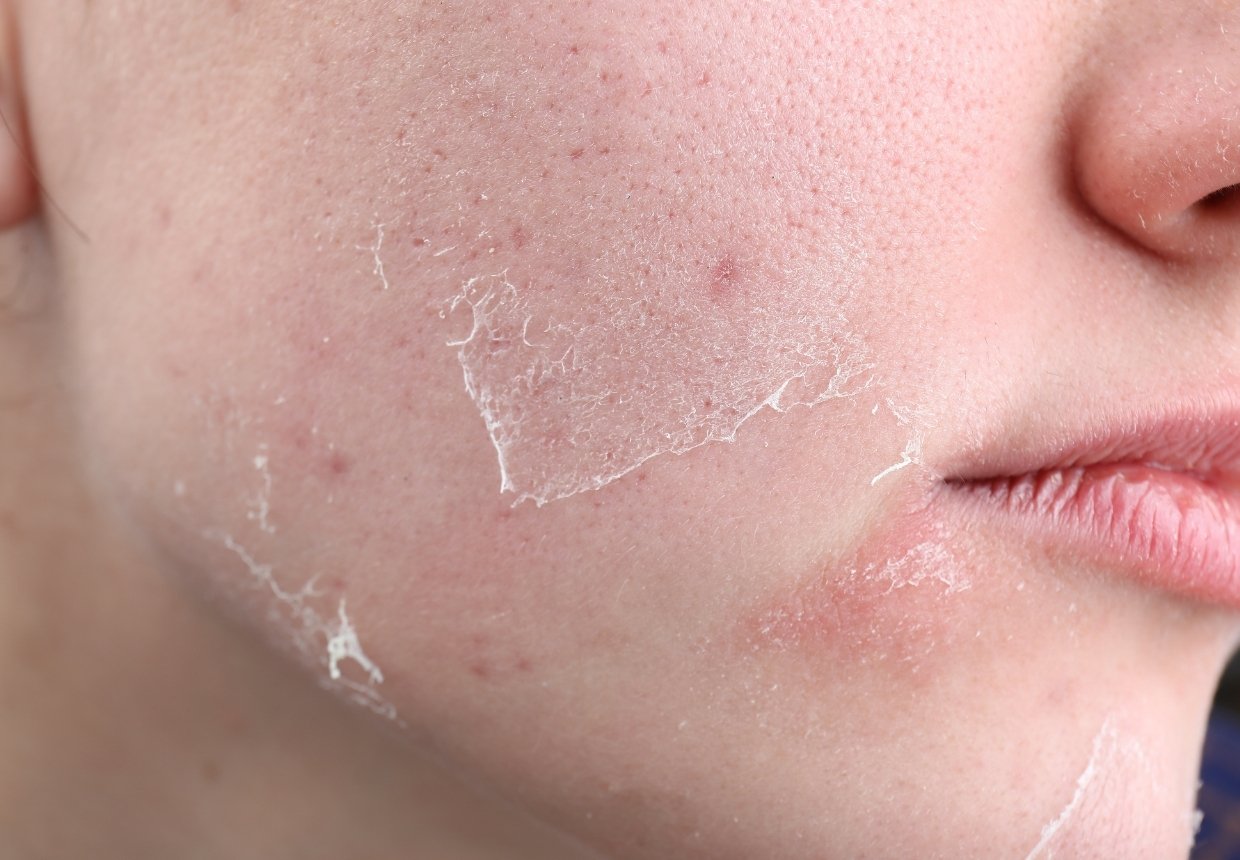
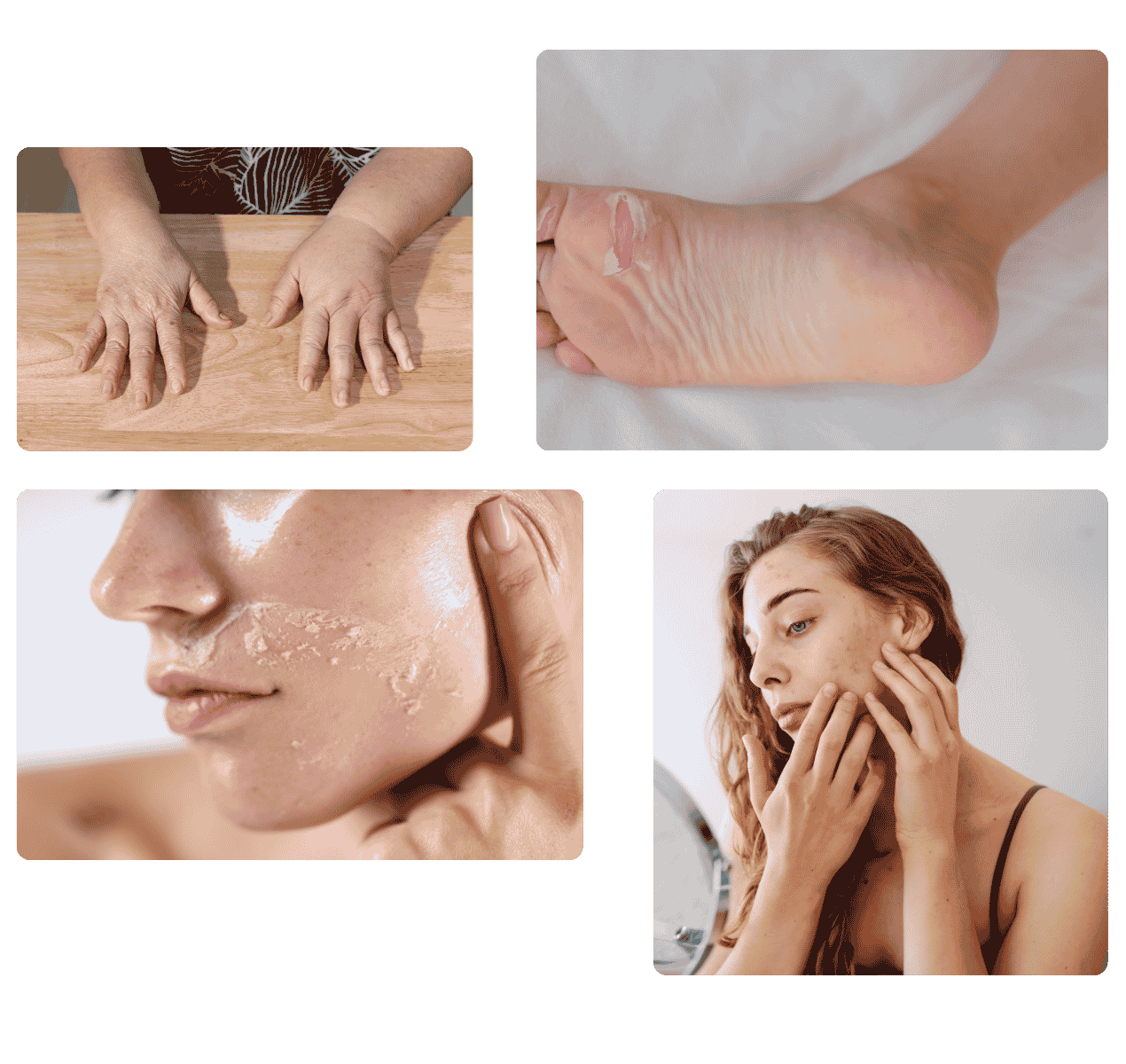
Dry skin can present differently depending on the underlying cause. Symptoms may include:
1. Impaired Skin Barrier Function
The skin barrier helps retain moisture while protecting against environmental irritants. When barrier integrity is compromised due to inflammation, microbiome disruption, over-exfoliation, or nutrient deficiencies then water loss increases, leading to chronic dryness and sensitivity.
2. Thyroid Imbalance
Thyroid function plays a major role in skin hydration, circulation, and cellular turnover. Both overt and subtle thyroid dysfunction can reduce oil and sweat gland activity, resulting in dry, rough, or flaky skin. Individuals with low thyroid activity may also notice fatigue, hair changes, cold intolerance, or slow skin healing alongside dryness.
3. Hormonal Imbalances
Hormones regulate sebum production, collagen health, and moisture retention. Changes in estrogen, cortisol, insulin sensitivity, or reproductive hormones can alter skin hydration and barrier resilience. Hormonal shifts related to stress, menstrual changes or perimenopause commonly contribute to persistent dryness.
4. Essential Fatty Acid & Nutrient Deficiencies
Skin health depends on adequate levels of nutrients such as omega-3 fatty acids, zinc, vitamin A, vitamin D, and antioxidants. Deficiencies may impair barrier repair, reduce natural oil production, and slow skin regeneration, contributing to flaking and irritation.
5. Gut Health & Systemic Inflammation
The gut and skin communicate closely through immune and inflammatory pathways. Dysbiosis, impaired digestion, or intestinal permeability can increase inflammation while reducing nutrient absorption, both of which may present externally as dry, reactive skin.
6. Environmental Stress & Lifestyle Factors
Cold climates, indoor heating, excessive cleansing, dehydration, poor sleep, and chronic stress can all impair the skin’s ability to retain moisture. Nervous system stress also influences circulation and repair processes essential for healthy skin renewal.


At Vitalita Wellness Institute, we take a comprehensive, root-cause approach to skin health. Rather than focusing only on surface hydration, we work to restore the internal systems that allow the skin barrier to function optimally. Treatment options may include:
Comprehensive Testing (When Appropriate)
Personalized Nutrition
Moisturizers help relieve surface dryness, but persistent symptoms often reflect internal contributors such as thyroid function, hormones, inflammation, or nutrient status.
While skin naturally changes with age, significant dryness often reflects modifiable factors including hormonal shifts, thyroid health, and lifestyle stressors.
Cleansing can temporarily disrupt the skin barrier. When barrier repair mechanisms are weakened internally, the skin struggles to retain moisture afterward.
Yes. Chronic stress affects hormone balance, circulation, and repair processes, all of which influence skin hydration.
Skin renewal occurs gradually. Many individuals begin noticing improvements as underlying imbalances are addressed over several weeks to months.
Yes. Our integrative approach complements dermatologic care and professional skincare treatments when appropriate.
Here are some of our own blogs that speak directly to skin health related themes:
Why Your Skincare Isn’t Working: The Gut-Skin Axis Explained
If you’ve tried every cream, serum, and treatment but your skin still isn’t clear, glowing, or youthful—you’re not alone. Many adult women invest in high-end skincare hoping to fix acne, rosacea, or signs of premature aging, only to feel frustrated when results never quite live up to the promise.

You don’t have to continue managing persistent dryness and flaky skin alone. By addressing underlying factors such as thyroid health, hormones, gut function, and inflammation, our personalized naturopathic approach supports lasting improvement, helping your skin become more comfortable, balanced, and resilient over time.
Book a Free Discovery Call HERE or reach out to us to learn how we can support your journey toward healthier skin.
Ready to embark on your health journey? Book your appointment online and let’s work together to achieve your health goals.
Designed & Developed by ScaleUp42.com
We offer appointments online & in-person
Please provide your info so our patient care coordinator can reach out and help you
find the best practitioner and service
You will be redirected to our online booking system to select your time.
