
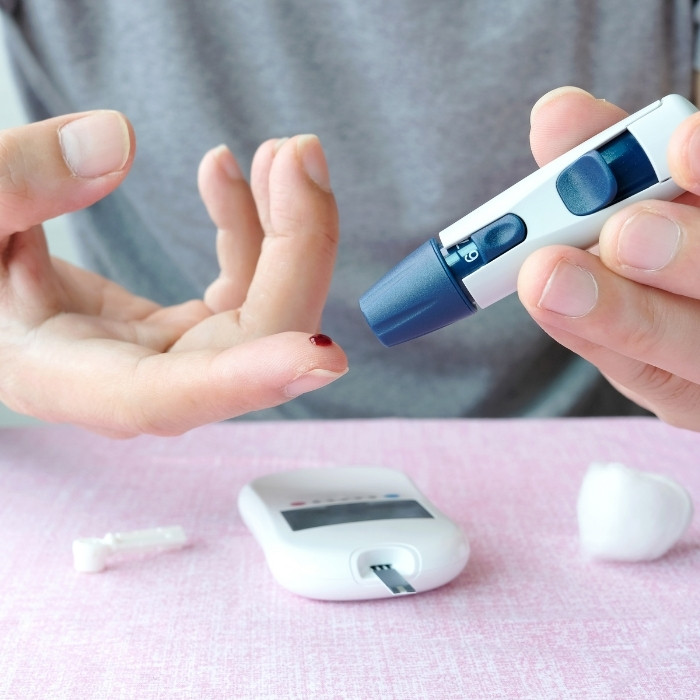
High blood sugar, also known as hyperglycemia, occurs when there is too much glucose circulating in the bloodstream. Glucose is the body’s primary source of energy, but when blood sugar remains elevated for prolonged periods, it can place stress on nearly every system in the body.
While occasional fluctuations in blood sugar are normal, consistently elevated levels may indicate that the body is having difficulty regulating glucose effectively. This can occur due to insulin resistance, chronic stress, inflammation, hormonal imbalances, poor sleep, or impaired pancreatic function.
Many people assume that high blood sugar only becomes a concern once diabetes develops. However, blood sugar dysregulation often exists for years before a formal diagnosis is made. During this time, symptoms may be subtle or attributed to other causes, allowing underlying imbalances to progress unnoticed.
At Vitalita Wellness Institute, we focus on identifying the root causes contributing to blood sugar dysregulation and supporting the body’s natural ability to maintain healthy glucose balance.

Some of the common signs of elevated blood sugar include:
Although nutrition plays an important role, blood sugar regulation is influenced by many systems throughout the body.
Chronic Stress & Cortisol Imbalance
Stress hormones such as cortisol signal the liver to release stored glucose into the bloodstream. When stress becomes chronic, blood sugar can remain elevated even when dietary habits are relatively healthy.
Insulin Resistance
When cells become less responsive to insulin, glucose remains in circulation longer than it should. The body compensates by producing more insulin, which may temporarily keep blood sugar under control before eventually becoming overwhelmed.
Poor Sleep
Even a few nights of inadequate sleep can reduce insulin sensitivity and impair blood sugar regulation. Sleep is one of the most powerful yet often overlooked factors influencing metabolic health.
Inflammation
Inflammation can interfere with insulin signaling and glucose metabolism. Sources of inflammation may include gut dysfunction, infections, food sensitivities, environmental toxins, or chronic stress.
Blood sugar regulation is influenced by multiple systems. This means that addressing the root causes often requires a comprehensive approach beyond simply reducing sugar intake.


Even individuals who eat a relatively healthy diet may experience elevated blood sugar due to underlying factors. At Vitalita Wellness Institute, we commonly explore:
At Vitalita Wellness Institute, we take a personalized approach to restoring healthy blood sugar regulation. Treatment is individualized but some options may include:
Comprehensive Testing (When Needed)
Personalized Nutrition
Botanical & Functional Medicine
Lifestyle & Nervous System Support

Yes. Many individuals experience blood sugar dysregulation long before diabetes develops. Identifying these patterns early may help prevent progression.
Stress, poor sleep, insulin resistance, inflammation, hormonal imbalances, and certain medications can all contribute to elevated blood sugar levels.
In many cases, blood sugar regulation can improve significantly when the underlying contributing factors are addressed.
Symptoms can provide clues, but testing is often necessary. Fasting glucose, fasting insulin, HbA1C and continuous glucose monitoring can provide valuable insight.
Yes. Many people experience fatigue, brain fog, and energy crashes when blood sugar is poorly regulated.
Some people notice improvements within weeks of making targeted changes, while deeper metabolic healing often occurs over several months.

Here are some of our own blogs that speak directly to rosacea related themes:
Rosacea and the Gut: The Overlooked Role of SIBO
Rosacea is often treated as a purely skin-based condition—managed with topical creams, antibiotics, or laser therapy. Emerging research and clinical experience increasingly point to the gut, specifically Small Intestinal Bacterial Overgrowth (SIBO), as a major underlying contributor for many people with rosacea. A meta-analysis showed that those suffering with rosacea were 3.5 times more likely to have SIBO.

If you’re experiencing fatigue, cravings, weight loss resistance, or other signs of blood sugar dysregulation, we can help. Our personalized, functional approach is designed to identify and address the underlying factors contributing to high blood sugar and support long-term metabolic health.
Book a Free Discovery Call HERE or reach out to us to explore how we might work together.
Ready to embark on your health journey? Book your appointment online and let’s work together to achieve your health goals.
Designed & Developed by ScaleUp42.com
We offer appointments online & in-person
Please provide your info so our patient care coordinator can reach out and help you
find the best practitioner and service
You will be redirected to our online booking system to select your time.
