
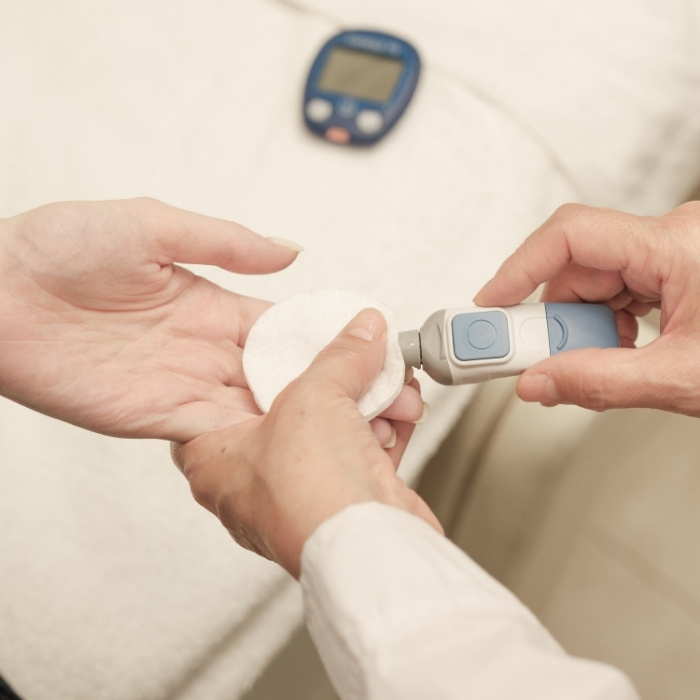
Insulin resistance is one of the most common yet overlooked metabolic imbalances affecting modern health. It occurs when the body’s cells become less responsive to insulin, a hormone produced by the pancreas that helps move glucose (sugar) from the bloodstream into the cells where it can be used for energy.
When cells stop responding efficiently to insulin, the body compensates by producing more of it. This can lead to chronically elevated insulin levels long before blood sugar levels become abnormal. Over time, insulin resistance can contribute to weight gain, fatigue, hormonal imbalances, inflammation, cardiovascular disease, and eventually prediabetes or type 2 diabetes.
Since insulin resistance can develop gradually over many years, many people experience symptoms despite having “normal” blood sugar results on routine testing. At Vitalita Wellness Institute, we believe in identifying and addressing insulin resistance at its earliest stages to help prevent long-term health consequences and restore metabolic balance.

Some common signs of insulin resistance include:
Insulin resistance affects nearly every system in the body. While blood sugar regulation is one consequence, the effects extend far beyond glucose metabolism.
Chronic Stress & Cortisol Imbalance
When stress becomes chronic, cortisol levels can remain elevated for extended periods. Cortisol signals the body to release stored glucose into the bloodstream and can make cells less sensitive to insulin over time. This survival response may contribute to increased abdominal weight gain, cravings, fatigue, and metabolic dysfunction.
Inflammation
Low-grade chronic inflammation can interfere with insulin signaling pathways and make it more difficult for cells to respond appropriately to insulin. Inflammation may be driven by gut dysfunction, environmental toxins, infections, poor sleep, food sensitivities or ongoing stress.
Mitochondrial Dysfunction
Mitochondria are the energy-producing structures within our cells. When mitochondrial function becomes impaired, cells may struggle to efficiently utilize glucose and fatty acids for energy, contributing to metabolic inflexibility and worsening insulin resistance.
Hormonal Imbalances
Hormones such as estrogen, progesterone, testosterone, thyroid hormones, and cortisol all influence insulin sensitivity. Imbalances in these systems can increase the likelihood of developing insulin resistance and make symptoms more difficult to resolve.
Because insulin resistance often develops as the result of multiple contributing factors, it requires a comprehensive and personalized approach.


Even individuals who eat a relatively healthy diet may develop insulin resistance due to underlying factors. At Vitalita Wellness Institute, we commonly explore:
At Vitalita Wellness Institute, we take a root-cause approach to improving insulin sensitivity and metabolic health. Treatment is individualized but some options may include:
Comprehensive Testing (When Needed)
Personalized Nutrition
Botanical & Functional Medicine
Lifestyle & Nervous System Support

Yes. Elevated insulin often develops years before blood sugar levels become abnormal. This is why fasting insulin testing can provide valuable information that standard glucose testing may miss.
No. Insulin resistance is often an early stage of metabolic dysfunction. Diabetes develops when the body can no longer maintain healthy blood sugar control despite increasing insulin production.
There is no single perfect test. We often look at fasting insulin, fasting glucose or 2 hour insulin glucose challenge, HbA1C, metabolic markers, and symptoms together to gain a comprehensive understanding of metabolic health.
Yes. Elevated insulin is a storage hormone that can promote fat storage and make weight loss significantly more difficult, particularly around the abdomen.
The timeline varies depending on how long the condition has been present and what factors are contributing. Many individuals begin noticing improvements within several weeks, while deeper metabolic healing often occurs over several months.
Yes. Nutrition, movement, stress management, sleep optimization, targeted supplementation, and addressing underlying root causes can significantly improve insulin sensitivity and metabolic health.

Here are some of our own blogs that speak directly to insulin resistance and metabolic health:
Why You’re Doing Everything “Right” and Still Not Losing Weight: The Hidden Root Causes of Weight Loss Resistance
Have you ever felt like your body is working against you? You’re eating clean, moving regularly, and yet…the scale won’t budge. If this sounds familiar, you’re not alone—and you’re not necessarily doing anything wrong. The outdated formula of “calories in vs. calories out” has been misleading in the sense that it isn’t the whole story.

If you’re struggling with weight loss resistance, fatigue, cravings, hormone imbalances, or other signs of metabolic dysfunction, we can help. Our personalized, functional approach is designed to identify and address the root causes of insulin resistance so you can restore energy, balance, and long-term health.
Book a Free Discovery Call HERE or reach out to us to explore how we might work together.
Ready to embark on your health journey? Book your appointment online and let’s work together to achieve your health goals.
Designed & Developed by ScaleUp42.com
We offer appointments online & in-person
Please provide your info so our patient care coordinator can reach out and help you
find the best practitioner and service
You will be redirected to our online booking system to select your time.
