
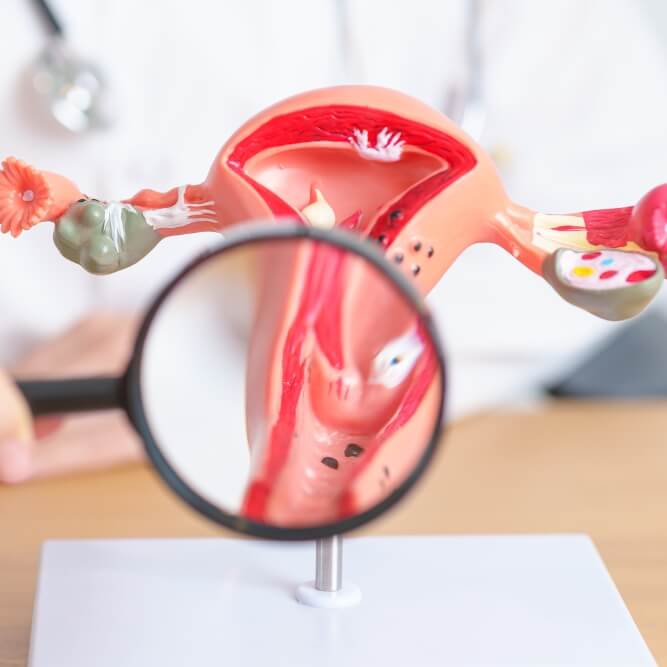
Uterine fibroids are a common yet often misunderstood condition affecting women during their reproductive years. While they are considered benign growths, fibroids can significantly affect menstrual health, fertility, energy levels, and overall quality of life by disrupting hormonal balance and normal uterine function.
Uterine fibroids (also called leiomyomas) are non-cancerous growths that develop within or around the uterus. Their size, number, and location vary widely and influence the symptoms a woman experiences. Fibroids are estrogen- and progesterone-responsive, meaning their growth is often driven by hormonal signaling rather than hormone levels alone.
While some women have fibroids without noticeable symptoms, others experience significant menstrual and pelvic concerns. Growth is often influenced by hormone metabolism, inflammation, gut health, blood sugar regulation, liver detoxification and overall endocrine health. Our approach focuses on understanding why fibroids develop and supporting the body in restoring balance naturally whenever possible.

Fibroid development is rarely random. In most cases, multiple internal factors contribute to their growth and persistence.
Estrogen Dominance & Impaired Hormone Clearance
Fibroids are highly sensitive to estrogen signaling. Even when estrogen levels are “normal,” impaired estrogen metabolism or inadequate progesterone can promote fibroid growth.
Progesterone Imbalance
In the uterus, progesterone plays two different roles: it helps stabilize the uterine lining to prevent heavy bleeding, but it actually acts as a ‘fuel’ for fibroids, signaling the fibroid cells to grow and multiply.
Liver Detoxification & Gut Health
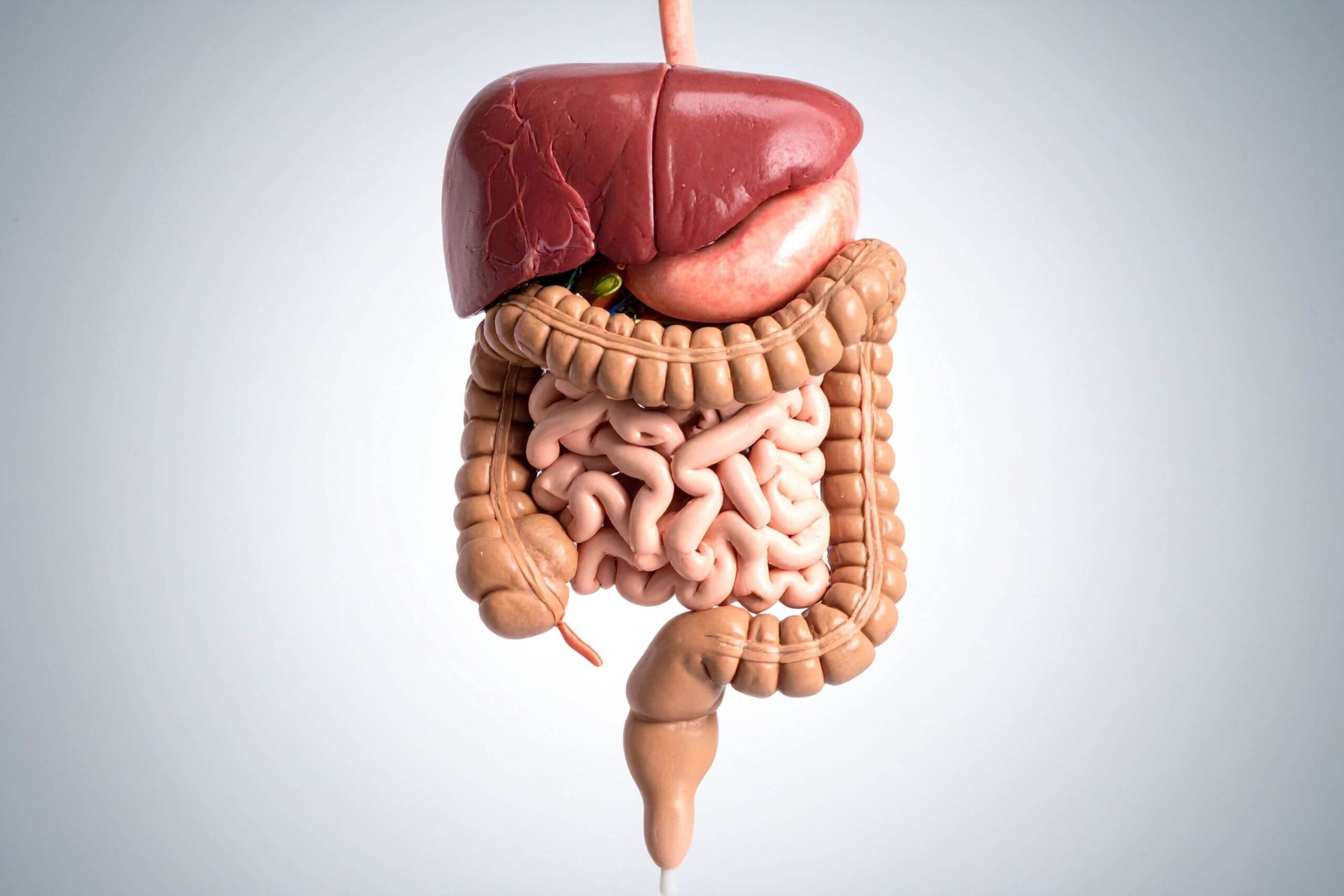
The liver and gut play a critical role in processing and eliminating excess hormones. Sluggish detoxification or gut dysbiosis can lead to estrogen recirculation, increasing fibroid growth.
Chronic Inflammation
Inflammatory signaling within the body can stimulate abnormal tissue growth and alter hormonal receptor sensitivity in the uterus.
Insulin Resistance & Blood Sugar Dysregulation
Elevated insulin can increase ovarian hormone production and amplify estrogen activity, contributing to fibroid development.
Environmental Estrogen Exposure (Xenoestrogens)
Exposure to endocrine-disrupting chemicals found in plastics, pesticides, personal care products, and household toxins can mimic estrogen and stimulate fibroid tissue.
Genetic Predisposition
A family history of fibroids can increase susceptibility, though lifestyle and metabolic factors strongly influence expression.

At Vitalita Wellness Institute, we take a personalized, functional approach focused on hormonal regulation, inflammation reduction, and uterine support—working alongside conventional care when needed.
Functional Testing (When Appropriate)
Therapeutic Nutrition
Targeted Supplementation & Botanical Support

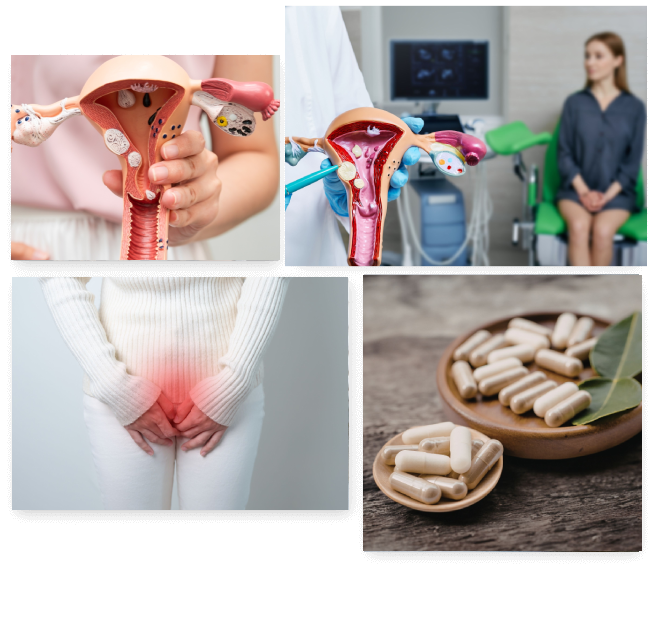
If fibroids are impacting your cycles, energy, or quality of life, you don’t have to manage them alone. Our root-cause approach is designed to support hormone balance, uterine health, and long-term wellbeing.
Book a Free Discovery Call HERE or reach out to us to explore how we might work together.
Ready to embark on your health journey? Book your appointment online and let’s work together to achieve your health goals.
Designed & Developed by ScaleUp42.com
We offer appointments online & in-person
Please provide your info so our patient care coordinator can reach out and help you
find the best practitioner and service
You will be redirected to our online booking system to select your time.
