SIBO (Small Intestinal Bacteria Overgrowth)

Understanding SIBO

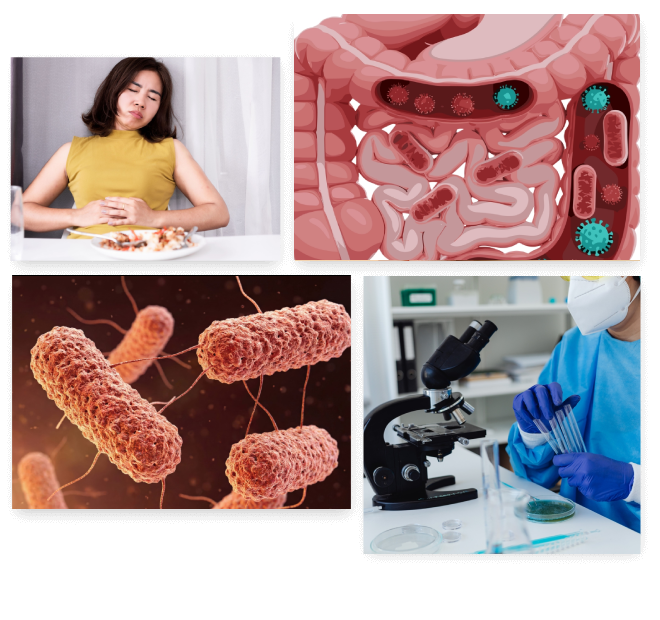
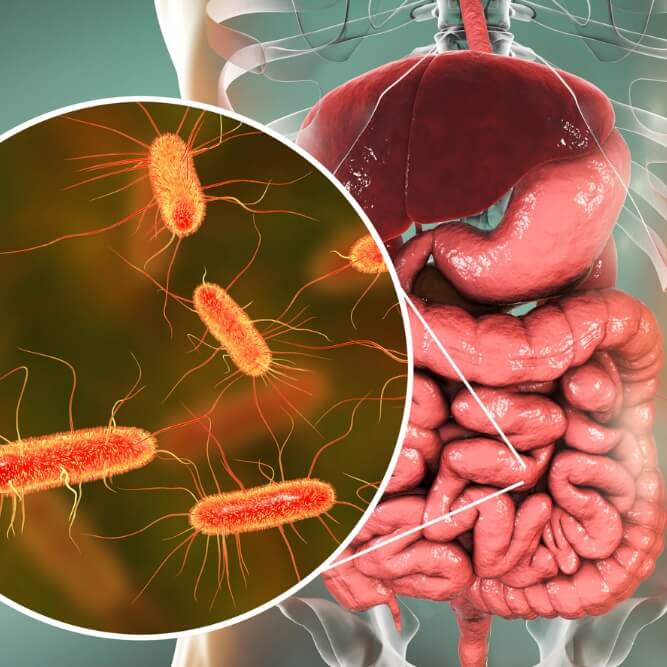
Small Intestinal Bacterial Overgrowth (SIBO) occurs when bacteria proliferate in the small intestine—an area that normally contains only minimal bacterial levels. When this balance shifts, the excess bacteria can disrupt digestion, impair nutrient absorption, affect gut motility, and compromise the integrity of the intestinal lining. Because its symptoms often mirror those of IBS, SIBO is frequently misdiagnosed, yet it has distinct root causes that require targeted treatment.

Rather than being a standalone condition, SIBO is usually a sign that something deeper is disrupting the digestive system and allowing bacteria to flourish. Slowed motility, low stomach acid, structural issues, chronic stress, or prior infections can all create conditions that promote bacterial overgrowth. While reducing the excess bacteria is essential, long-term resolution comes from identifying and correcting the underlying imbalance that allowed SIBO to develop in the first place.

Common Symptoms of SIBO

SIBO symptoms can vary depending on the type and quantity of bacteria but the most common include:
  • Bloating
  • Excess gas, frequent belching, or abdominal distention
  • Constipation, diarrhea, or alternating patterns
  • Cramping, abdominal discomfort, or nausea
  • Feeling full quickly when eating
  • Food intolerances, especially to carbohydrates or high-FODMAP foods
  • Fatigue or brain fog
  • Vitamin or mineral deficiencies (B12, iron, fat-soluble vitamins)

Common Causes of SIBO

SIBO rarely occurs without an underlying contributor. Common causes include:
  • Low stomach acid
  • Slow motility or chronic constipation (common in hypothyroidism)
  • Ileocecal valve dysfunction
  • Post-infectious IBS from previous food poisoning
  • Long-term PPI or antibiotic use
  • Pancreatic enzyme or bile insufficiency
  • Structural issues or scarring after abdominal surgery
  • Gut–brain axis disruption due to past concussion or traumatic brain injury

Identifying these factors is essential so the overgrowth doesn’t return after treatment.

How We Test for SIBO

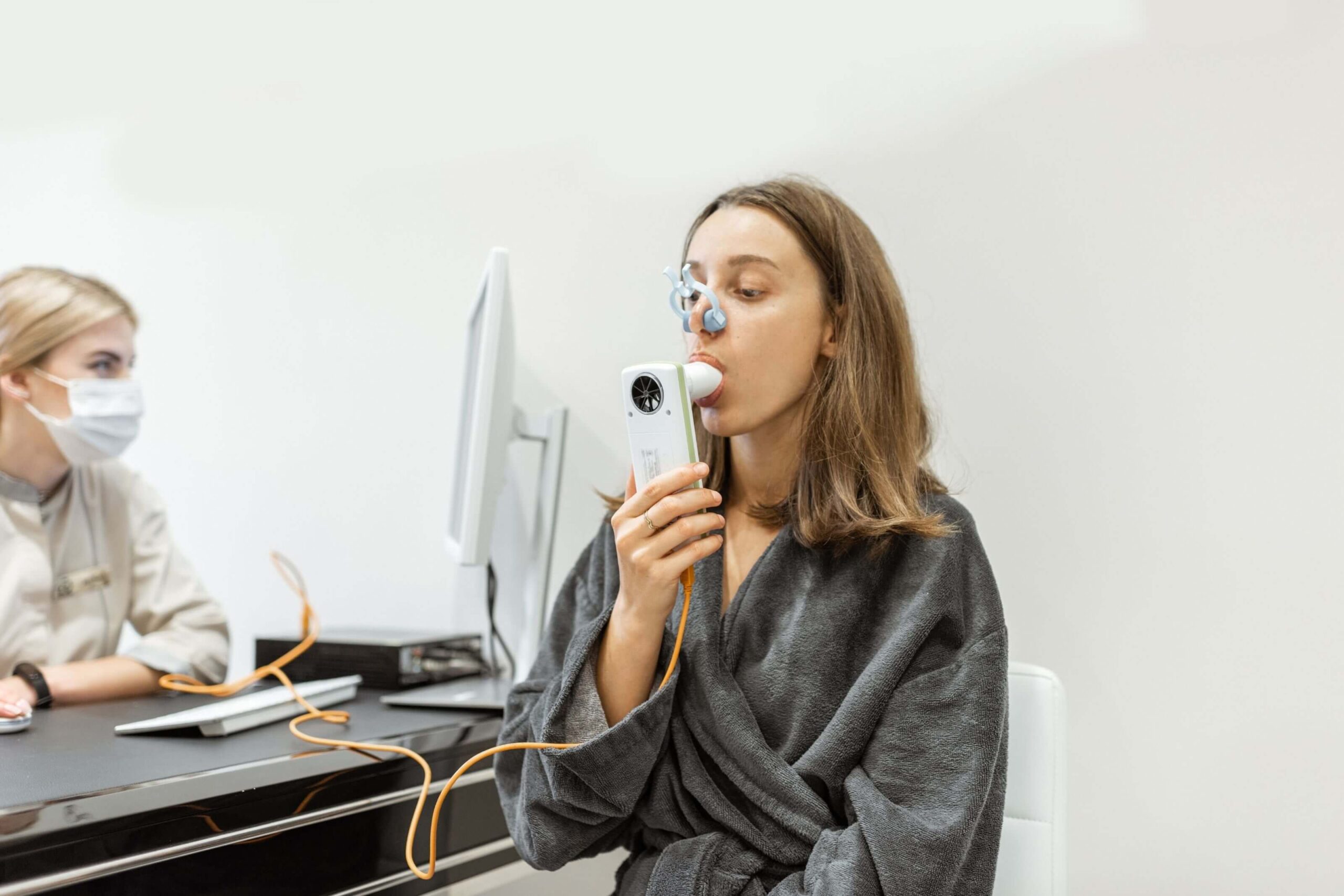
We use a non-invasive breath test that measures the two main gas types produced by bacteria:
  • Hydrogen
  • Methane
This helps determine:
  • The presence of SIBO
  • Which gas type is dominant
  • The severity of the overgrowth
  • The most appropriate treatment protocol

Additional tests—such as stool analysis or bloodwork—may be recommended to assess inflammation, enzyme function, microbiome health, and nutrient absorption.

How We Treat SIBO

Treatment is personalized based on your symptoms, gas type, and underlying digestive factors.

Reduce the Bacterial Overgrowth

We use targeted herbs or supplements to reduce the excess bacteria in the small intestine. The approach is selected based on your symptoms, test results and personal health history.

Support Digestion & Motility

Because SIBO often develops when stomach acid, enzymes, or motility are impaired, we support these foundational processes. This may include digestive enzymes, bile support, or prokinetic therapy to keep the small intestine moving properly.

Rebuild and Strengthen the Gut Lining

SIBO can irritate the gut lining and affect nutrient absorption. We use targeted nutrients to repair inflammation, support the intestinal barrier, and restore optimal digestive function.

Address Root Causes to Prevent Recurrence

We work to correct the underlying contributors—such as low stomach acid, hormone imbalances, constipation, or stress-related motility issues—so that SIBO does not return after treatment.

Restore Microbiome Balance

Once the overgrowth is cleared, we strategically provide gut support to rebuild a healthy, diverse microbiome and maintain long-term digestive stability.

Frequently Asked Questions: SIBO

Yes. Recurrence is extremely common when the root cause isn’t addressed—such as poor motility, low stomach acid, constipation, hormone imbalances, or chronic stress. Our approach focuses on identifying why SIBO returned so we can prevent future relapses.
The most accurate method is a breath test that measures hydrogen and methane gas levels. Symptoms like bloating, gas, diarrhea, constipation, brain fog, or abdominal discomfort can suggest SIBO, but testing helps confirm what type you have and the severity so treatment is precise.
Absolutely. Even healthy foods can ferment in the small intestine when bacteria are in the wrong location. Many people with SIBO feel worse after high-fiber or plant-based meals—not because the foods are unhealthy, but because the bacteria are fermenting them too early in the digestive tract.
No. Diet can help manage symptoms short term, but it doesn’t cure SIBO. The goal is to improve digestion and motility so you can return to a flexible, diverse diet without discomfort. We avoid extreme long-term restrictions because they can worsen gut imbalance.
Yes. SIBO can alter nutrient absorption, disrupt estrogen metabolism, increase inflammation, and affect neurotransmitter production in the gut. These disruptions can significantly contribute to mood and hormone related symptoms.
We work with many patients who have IBS, GERD, or chronic digestive symptoms. SIBO often overlaps with these conditions, and addressing the bacterial overgrowth frequently leads to improvements in broader gut symptoms and overall health.

Take the First Step Toward Healing SIBO

If bloating, digestive discomfort, or food reactions are impacting your daily life, we’re here to help. Our functional, root-cause approach identifies why SIBO developed so we can restore proper digestion—not just manage symptoms temporarily.

Book a Free Discovery Call HERE or reach out to us to explore how we might work together.