
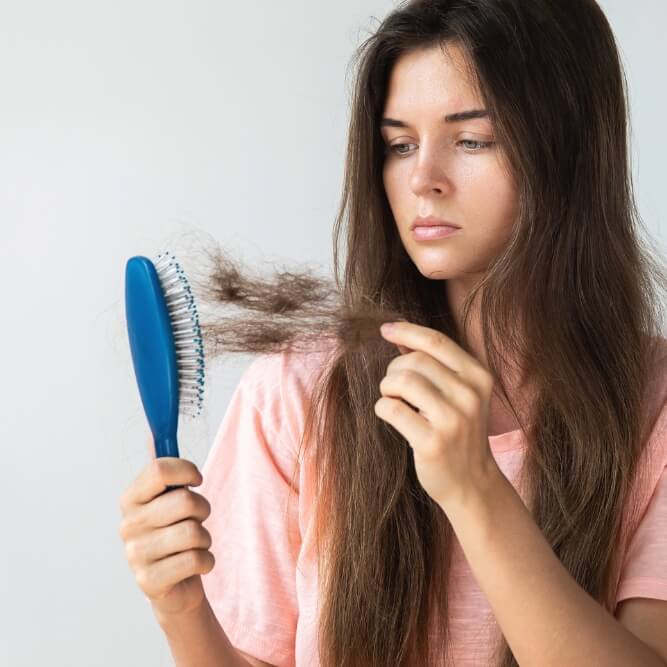
Hair loss can be a deeply unsettling experience—especially when it feels sudden, progressive, or unexplained. For many women, thinning hair or excessive shedding isn’t just a cosmetic issue, but a sign that something deeper is out of balance internally.
Hair growth is closely tied to hormonal balance, nutrient status, stress levels, and metabolic health. Each hair follicle cycles through phases of growth, rest, and shedding. When the body is under stress—whether physical, hormonal, or nutritional—this cycle can become disrupted, leading to thinning, shedding, or slowed regrowth.
Common patterns of hair loss in women include diffuse shedding (telogen effluvium), thinning at the crown or part line, and hormonal hair loss associated with conditions like PCOS, thyroid dysfunction, postpartum changes, or perimenopause. Understanding why the hair cycle has shifted is essential for meaningful and lasting improvement.
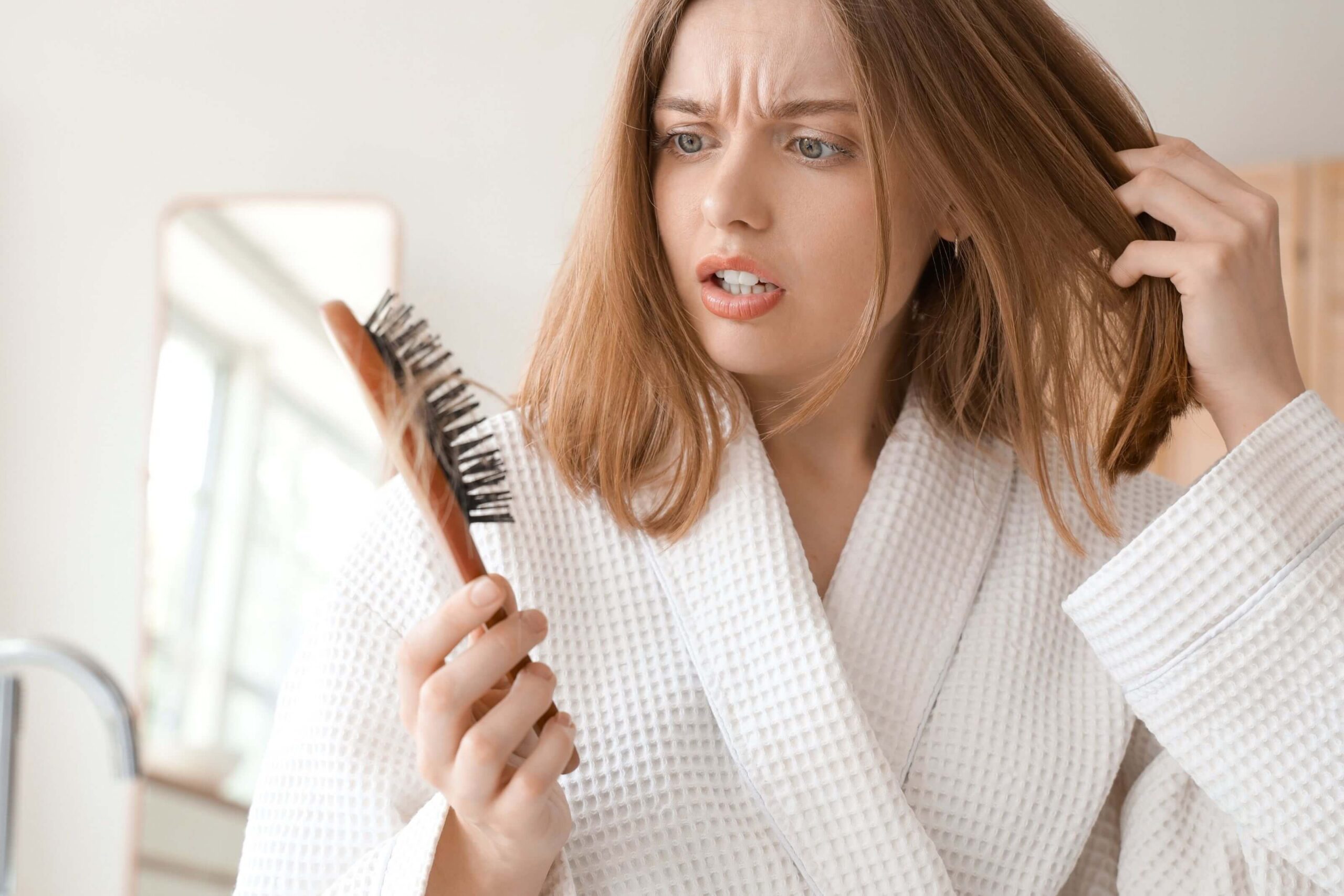
Hair loss is rarely caused by a single factor. Some of the most common contributors we uncover include:
Hormonal Imbalances
Fluctuations in estrogen, progesterone, and androgens can disrupt the hair growth cycle. Although this is common with PCOS, postpartum changes, perimenopause, menopause, and after starting or stopping hormonal contraceptives, hormone imbalances outside of these circumstances can lead to hair loss as well.
Thyroid Dysfunction
Both hypothyroidism and hyperthyroidism can cause diffuse hair thinning and increased shedding. Autoimmune thyroid conditions are a particularly common and often overlooked contributor.
Chronic Stress & Cortisol Dysregulation
Prolonged physical or emotional stress can push hair follicles into the shedding phase (telogen effluvium), reducing circulation and nutrient delivery to the scalp.
Nutrient Deficiencies
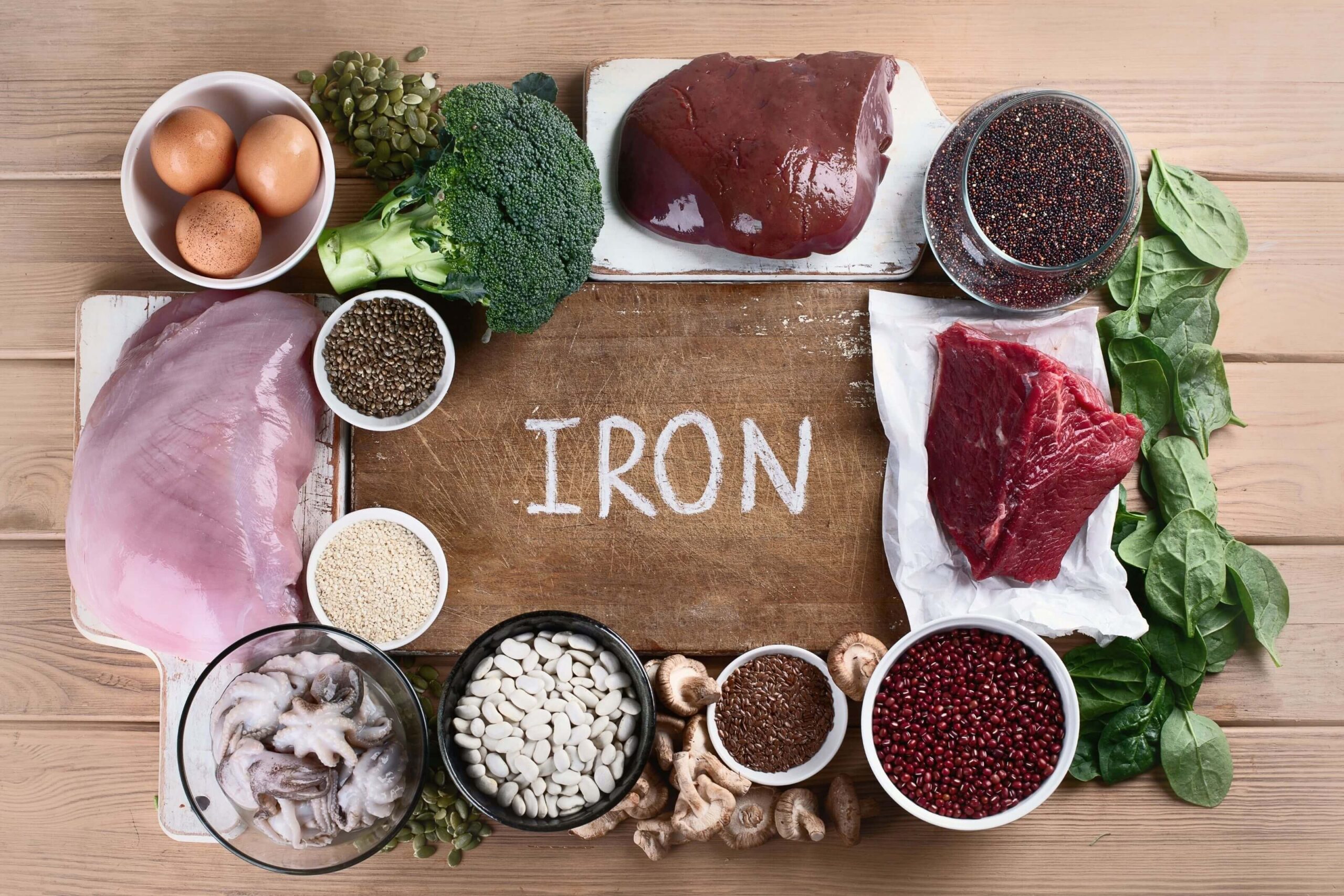
Hair growth requires adequate protein, iron, zinc, B vitamins, vitamin D, and other micronutrients. Deficiencies—often due to poor intake, absorption issues, or chronic inflammation—can impair regrowth.
Autoimmune Hair Loss (e.g., Alopecia Areata)
In autoimmune hair loss, the immune system mistakenly targets healthy hair follicles, causing localized inflammation that disrupts the growth cycle. This can result in patchy or diffuse hair loss and may occur alone or alongside other autoimmune conditions. Triggers often include stress, infections, gut permeability, hormonal shifts, or immune dysregulation.
Blood Sugar Imbalances & Insulin Resistance
Unstable blood sugar and insulin resistance can impair circulation, increase inflammation, and influence androgen activity—negatively impacting follicle health.
Inflammation & Gut Health Issues
Chronic inflammation, gut dysbiosis, intestinal permeability, or impaired nutrient absorption can deprive hair follicles of essential building blocks.
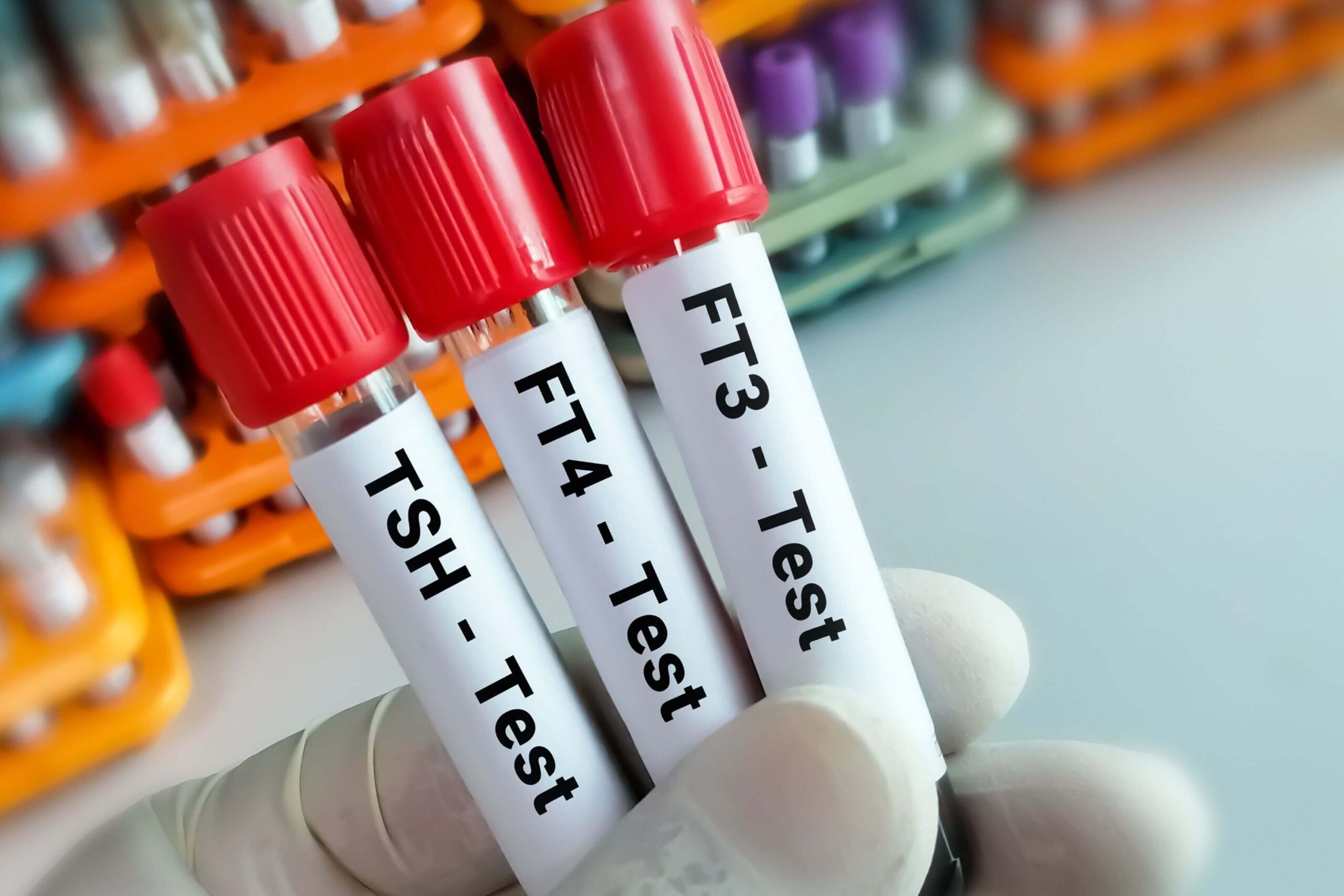
At Vitalita Wellness Institute, we focus on identifying and correcting the underlying drivers of hair loss to support sustainable regrowth—not temporary fixes.
Comprehensive Testing (When Needed)
Personalized Nutrition
Botanical & Functional Medicine

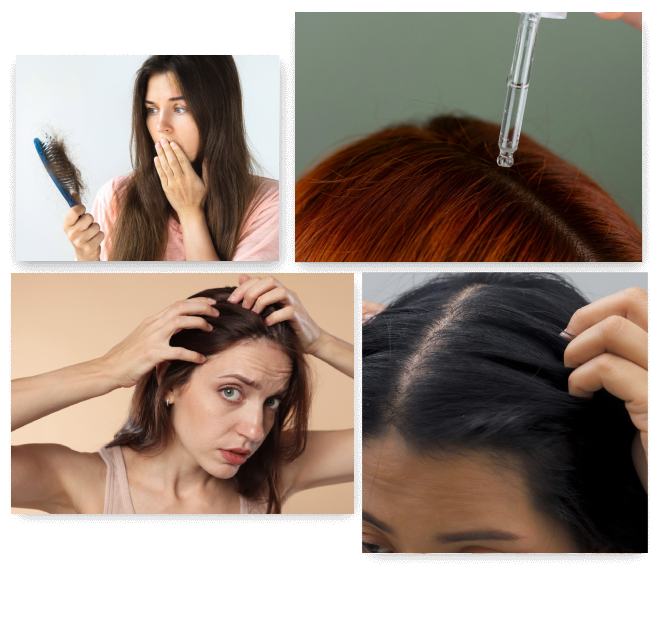
If hair loss is affecting your confidence or wellbeing, you don’t have to navigate it alone. Our personalized, naturopathic approach is designed to identify root causes and support your body’s ability to restore healthy hair growth.
Book a Free Discovery Call HERE or reach out to us to explore how we might work together.
Ready to embark on your health journey? Book your appointment online and let’s work together to achieve your health goals.
Designed & Developed by ScaleUp42.com
We offer appointments online & in-person
Please provide your info so our patient care coordinator can reach out and help you
find the best practitioner and service
You will be redirected to our online booking system to select your time.
