
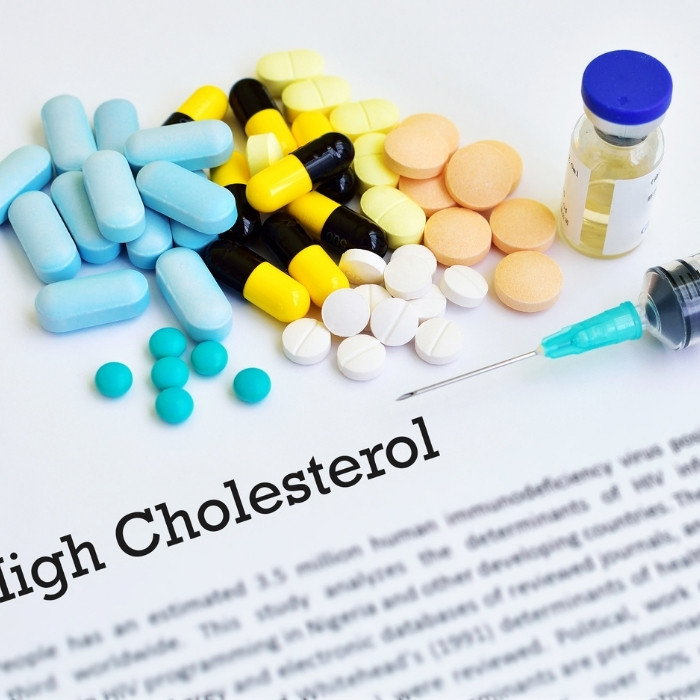
Cholesterol is often misunderstood. While it has developed a negative reputation, cholesterol is actually an essential substance that the body needs to function properly. It serves as a building block for hormones, vitamin D, cell membranes, and bile acids that help digest fats.
Problems arise when cholesterol levels become imbalanced or when other risk factors increase the likelihood of cholesterol contributing to plaque buildup within blood vessels. High cholesterol, also known as hypercholesterolemia, is one of the most common risk factors associated with cardiovascular disease, heart attack, and stroke.
However, cholesterol is rarely the entire story. Elevated cholesterol levels often reflect broader metabolic, hormonal, inflammatory, or lifestyle related imbalances occurring within the body. Understanding why cholesterol levels are elevated is often more important than focusing solely on the numbers themselves.
At Vitalita Wellness Institute, we take a root-cause approach to high cholesterol by investigating the factors that may be contributing to cardiovascular risk and helping patients improve their overall metabolic health.

High cholesterol itself typically does not cause symptoms, which is why it is often referred to as a “silent condition.” Many people discover they have elevated cholesterol through routine blood work.
However, cholesterol imbalances are often associated with:
Many people assume that eating cholesterol-rich foods is the primary cause of high cholesterol. In reality, cholesterol regulation is influenced by many systems throughout the body.
Insulin Resistance & Blood Sugar Dysregulation
Insulin resistance can significantly affect cholesterol metabolism. Elevated insulin levels often increase triglycerides, lower protective HDL cholesterol, and contribute to the formation of smaller, denser LDL particles that may increase cardiovascular risk.
Chronic Inflammation
Inflammation plays a central role in cardiovascular disease. Elevated cholesterol is often more concerning when accompanied by chronic inflammation, oxidative stress, and damage to blood vessel walls.
Liver Health
The liver is responsible for producing, processing, and clearing cholesterol. Conditions such as fatty liver disease, metabolic dysfunction, and impaired liver function can contribute to abnormal cholesterol levels.
Hormonal Imbalances
Hormones such as estrogen, thyroid hormones, cortisol, and insulin all influence cholesterol metabolism. Imbalances in these systems may contribute to elevated cholesterol despite healthy lifestyle habits.
Genetics
Some individuals have a genetic predisposition to elevated cholesterol levels. Conditions such as familial hypercholesterolemia can significantly impact cholesterol levels regardless of diet and lifestyle.
Since cholesterol is influenced by many interconnected systems, a comprehensive approach is often necessary to understand and address the root causes.


Even individuals who follow a relatively healthy lifestyle may experience elevated cholesterol due to underlying factors. At Vitalita Wellness Institute, we commonly explore:
At Vitalita Wellness Institute, we focus on supporting cardiovascular health while identifying and addressing the underlying factors contributing to cholesterol imbalances. Treatment is individualized but some options may include:
Comprehensive Testing (When Needed)
Personalized Nutrition
Botanical & Functional Medicine
Lifestyle & Nervous System Support

No. Cholesterol is essential for hormone production, brain function, cell health, and many other processes. The goal is not to eliminate cholesterol but to maintain healthy balance and reduce cardiovascular risk.
Yes. Genetics, hormonal imbalances, insulin resistance, inflammation, and liver health can all influence cholesterol levels independently of diet.
LDL is often referred to as "bad cholesterol" because elevated levels may contribute to plaque buildup in blood vessels. HDL is often called "good cholesterol" because it helps transport cholesterol away from the arteries.
Not necessarily. For many people, factors such as insulin resistance, inflammation, genetics, and liver health have a greater impact on cholesterol levels than dietary cholesterol intake alone.
Advanced markers such as ApoB, ApoA, CRP, fasting insulin, and metabolic markers can provide a more complete picture of cardiovascular risk than a standard cholesterol panel alone.
In many cases, yes. Improving nutrition, addressing insulin resistance, reducing inflammation, supporting liver health, optimizing hormones, and implementing targeted lifestyle changes can often lead to meaningful improvements in cholesterol levels and cardiovascular health.

Here are some of our own blogs that speak directly to rosacea related themes:
Rosacea and the Gut: The Overlooked Role of SIBO
Rosacea is often treated as a purely skin-based condition—managed with topical creams, antibiotics, or laser therapy. Emerging research and clinical experience increasingly point to the gut, specifically Small Intestinal Bacterial Overgrowth (SIBO), as a major underlying contributor for many people with rosacea. A meta-analysis showed that those suffering with rosacea were 3.5 times more likely to have SIBO.

If you’ve been told your cholesterol is elevated or you’re concerned about your cardiovascular risk, we can help. Our personalized, root-cause approach is designed to uncover the factors contributing to cholesterol imbalances and support long-term heart and metabolic health.
Book a Free Discovery Call HERE or reach out to us to explore how we might work together.
Ready to embark on your health journey? Book your appointment online and let’s work together to achieve your health goals.
Designed & Developed by ScaleUp42.com
We offer appointments online & in-person
Please provide your info so our patient care coordinator can reach out and help you
find the best practitioner and service
You will be redirected to our online booking system to select your time.
