
Your Thyroid Labs Are “Normal” So Why Don’t You Feel...
Read More
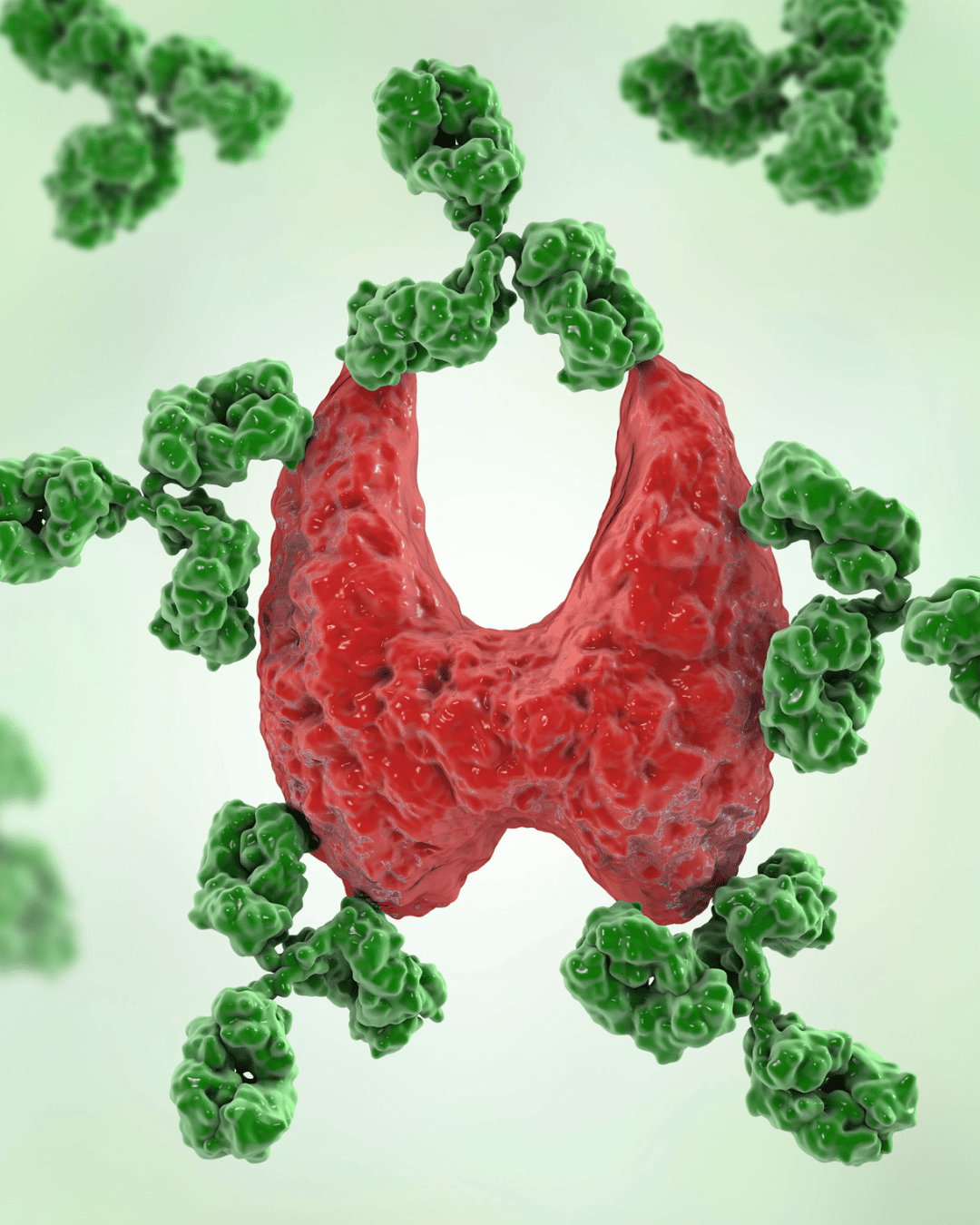
Hashimoto’s thyroiditis is an autoimmune condition in which the immune system mistakenly attacks the thyroid gland, leading to chronic inflammation and reduced thyroid hormone production. The thyroid is a small butterfly-shaped gland located at the front of the neck, but it has a powerful influence on nearly every cell in the body. Thyroid hormones help regulate metabolism, energy production, body temperature, digestion, brain function, menstrual cycles and heart health. When the thyroid isn’t functioning optimally, symptoms can affect nearly every aspect of daily life.
Many people with Hashimoto’s experience symptoms for months or even years before receiving a diagnosis. Some are told their thyroid levels are “normal” despite feeling exhausted, struggling with weight gain, brain fog, hair loss, or constipation. Others begin treatment with thyroid medication but continue to experience symptoms because the underlying factors that may be contributing to immune dysfunction and overall thyroid health have not been addressed.
Understanding Hashimoto’s means recognizing that while the thyroid is the target of the autoimmune process, the condition affects the entire body.
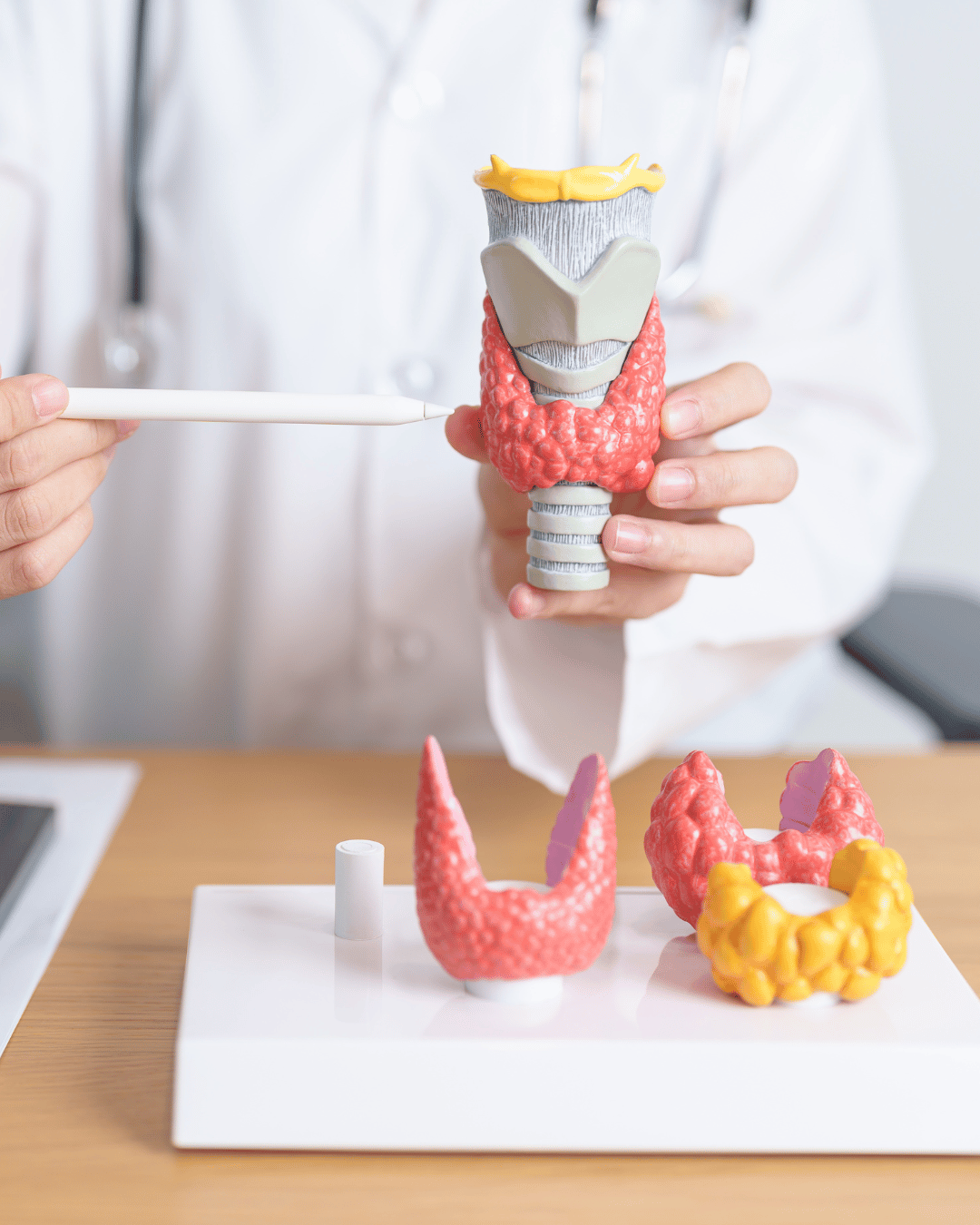
Hashimoto’s can affect nearly every system in the body. Symptoms often develop gradually and may become more noticeable as thyroid function declines.
You may experience:
Hashimoto’s progresses gradually so it can be common for people to attribute these symptoms to aging, stress, or a busy lifestyle. If you’re experiencing several of these symptoms persistently, it may be worth investigating your thyroid health.
There is no single cause of Hashimoto’s thyroiditis. Instead, it is believed to result from a combination of genetic susceptibility, body system imbalances and environmental factors.
Potential contributors include:
While these factors may contribute to immune dysfunction or symptom severity, they do not necessarily cause Hashimoto’s on their own.


At Vitalita Wellness Institute, we work alongside your healthcare team to support your thyroid health while helping you address the nutritional, metabolic, digestive, and lifestyle factors that may influence your symptoms and overall well-being.
Depending on your symptoms and health history, we may recommend:
Testing helps us identify factors that may be contributing to ongoing symptoms beyond thyroid hormone levels alone.
Nutrition plays an important role in supporting thyroid health, immune function, and overall well-being.
Your personalized plan may include:
Our goal is to provide your body with the nutrients it needs to support energy production, metabolism, and overall health.
Depending on your individual needs, we may recommend:
All recommendations are personalized based on your laboratory findings, symptoms, medications, and overall health history.
Managing Hashimoto’s involves more than optimizing thyroid hormone levels.
We help patients implement:
Our goal is to help improve energy, resilience, and overall quality of life.
Hashimoto’s thyroiditis is an autoimmune disease that damages the thyroid gland over time. Hypothyroidism simply means the thyroid is underactive. Hashimoto’s is a common cause of hypothyroidism, but not everyone with hypothyroidism has Hashimoto’s.
Yes. Some people have elevated thyroid antibodies and symptoms before changes in TSH or thyroid hormone levels become apparent. This is sometimes referred to as Subclinical Hashimoto’s. This is why a comprehensive thyroid assessment may be helpful when Hashimoto’s is suspected.
Nutrition can play an important role in supporting overall health. Strategic nutritional shifts can help lower thyroid antibodies, reduce chronic inflammation, improve the absorption of essential nutrients, and alleviate persistent symptoms like fatigue, brain fog, and bloating.
Thyroid medication replaces missing hormones, but symptoms often persist if your body struggles to convert inactive T4 medication into the active T3 hormone your cells need. Improper absorption caused by food or supplements, along with unaddressed root issues like chronic stress, gut imbalances, blood sugar swings, and nutrient deficiencies, can keep you feeling unwell. A comprehensive evaluation looking beyond basic TSH levels can help pinpoint these hidden, contributing factors.
Yes. Many of our patients are taking prescription medications, and our goal is to complement the care you receive from your healthcare team. We carefully review your medications before giving any recommendations to ensure they are safe and appropriate.
A flare-up is a sudden, temporary intensification of symptoms like extreme fatigue, brain fog, or joint pain, even if your laboratory lab markers look stable. These episodes are typically triggered by acute periods of emotional stress, poor sleep, systemic illnesses like viral infections, or accidental exposure to inflammatory foods.

Here are some of our own blogs that speak directly to Hashimoto’s thyroiditis related themes:
Your Thyroid Labs Are “Normal” So Why Don’t You Feel...
Read MoreNot All Hypothyroidism Is The Same: Why Testing For Hashimoto’s...
Read MoreThe Hidden Link Between Estrogen and Autoimmune Disease In today’s...
Read MoreLiving with Hashimoto’s can affect far more than your thyroid, it can influence your energy, metabolism, mood, digestion, hormones, and overall quality of life. At Vitalita Wellness Institute, we take a personalized, root cause and informed approach to helping you identify the factors that may be contributing to your symptoms while working alongside your healthcare team. Together, we’ll develop a plan designed to support your thyroid health, improve your energy, and help you feel your best.
Book a Free Discovery Call HERE or reach out to us to explore how we might work together.
Ready to embark on your health journey? Book your appointment online and let’s work together to achieve your health goals.
Designed & Developed by ScaleUp42.com
We offer appointments online & in-person
Please provide your info so our patient care coordinator can reach out and help you
find the best practitioner and service
You will be redirected to our online booking system to select your time.