Understanding PMS

Premenstrual Syndrome (PMS) affects millions of women each month, yet it’s often dismissed as “just part of being female.” In reality, PMS is a sign that your hormones and body systems are out of balance—and it can significantly impact your mood, energy, sleep, digestion, and overall wellbeing. At Vitalita Wellness Institute, we focus on uncovering the root causes behind PMS, not just managing symptoms, so you can experience consistent relief and greater hormonal harmony.

What Is PMS?

Premenstrual Syndrome (PMS) refers to the physical, emotional, and cognitive symptoms that occur in the luteal phase—the 1–2 weeks before your period. PMS arises from the natural fluctuations of estrogen and progesterone, but it is worsened when these hormones are imbalanced or when your body’s systems (like stress response, liver detoxification, or blood sugar regulation) aren’t functioning optimally.

PMS is a signal from your body, indicating that something in your hormonal or metabolic system may need support. It’s not simply something you just have to “live with.”

Common Symptoms of PMS

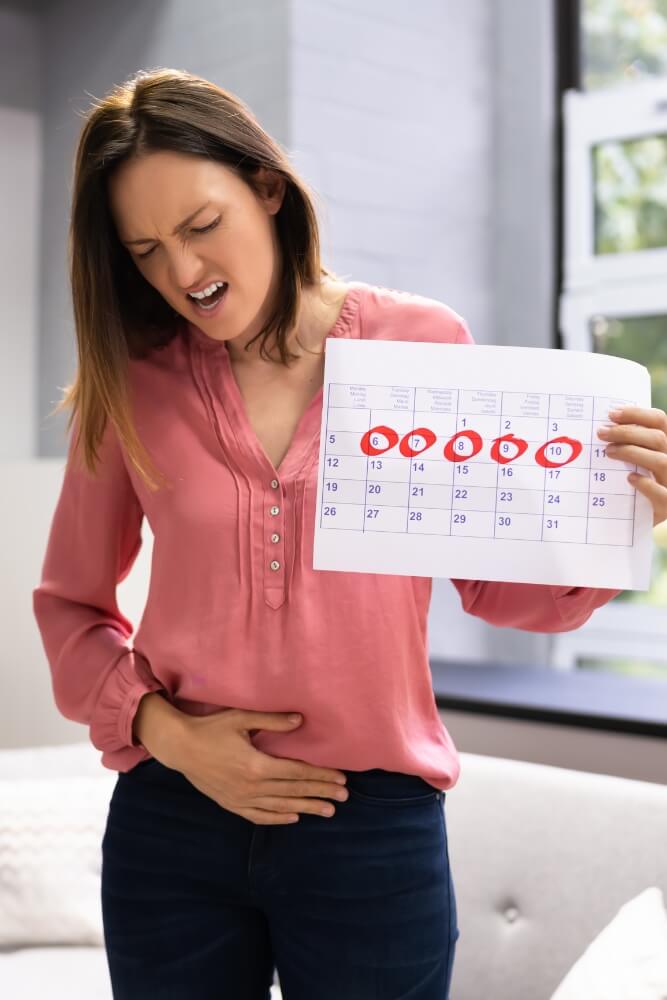
PMS manifests differently for each person, but common signs include:
  • Mood swings, irritability, or anxiety
  • Depression or low motivation
  • Fatigue or low energy
  • Abdominal cramps that can extend to the back and legs
  • Bloating, water retention, or breast tenderness
  • Cravings for sugar or refined carbs
  • Headaches or migraines
  • Digestive changes such as constipation or diarrhea
  • Difficulty sleeping or disturbed sleep
  • Acne flare-ups

Why PMS Happens

PMS can result from the interaction of your reproductive hormones with other body systems:

  • Hormonal Fluctuations – Drops in progesterone or imbalances with estrogen can influence mood, energy, and fluid retention.
  • Blood Sugar Dysregulation – Insulin spikes and crashes can worsen cravings, fatigue, and irritability.
  • Inflammation – Elevated inflammatory markers can amplify pain, bloating, fatigue and mood symptoms.
  • Stress & Cortisol Imbalance – Chronic stress can suppress progesterone and worsen PMS symptoms.
  • Poor Liver Detoxification – If your liver cannot effectively clear excess hormones, estrogen dominance can develop, contributing to PMS.

What Contributes to PMS

Even when you eat well and exercise, underlying imbalances can worsen PMS. These may include:
  • Progesterone and/or estrogen imbalances
  • Blood sugar dysregulation (insulin resistance, reactive hypoglycemia)
  • Chronic stress and cortisol imbalances
  • Poor liver detoxification and hormone clearance
  • Nutrient deficiencies
  • Inflammation from diet, gut imbalances, or environmental toxins
  • Thyroid dysfunction or other hormone disruptions
  • Lifestyle factors such as inadequate sleep or overtraining

Our Naturopathic Approach to PMS

At Vitalita Wellness Institute, we take a functional and integrative approach to PMS to address both symptoms and root causes:

Comprehensive Testing (When Needed)

  • Hormone panels to assess estrogen, progesterone, cortisol, and thyroid function
  • Blood sugar and metabolic assessments
  • Inflammation and nutrient status

Personalized Nutrition

  • Blood sugar balancing meal guidance
  • Anti-inflammatory foods and assessment of hormone-disrupting foods
  • Nutrient optimization to support hormone production and metabolism

Botanical and Functional Medicine

  • Targeted herbal formulas and supplements to support mood, liver function, and hormonal balance
  • Nutrients to improve neurotransmitter function and reduce inflammation

Lifestyle Optimization

  • Stress management, sleep quality, and nervous system support
  • Movement strategies that support hormonal balance
  • Environmental toxin reduction

Our goal is to help you experience a cycle that feels more balanced, predictable, and manageable.

Frequently Asked Questions About PMS

While mild symptoms are common, PMS is considered significant if it disrupts your daily life or relationships. Severe PMS may be diagnosed as PMDD (Premenstrual Dysphoric Disorder). Persistent symptoms are worth evaluating with a qualified practitioner.
Functional testing can help identify hormonal imbalances, nutrient deficiencies, cortisol dysregulation, and metabolic issues that may be contributing to PMS. Lab results guide a more personalized plan.
Results vary. Some notice symptom improvement within a cycle or two, while others may need several months of consistent support and lifestyle adjustments.
Yes. Nutrition, stress management, sleep, movement, and toxin reduction all play important roles in balancing hormones and reducing symptoms.
Not necessarily. We focus on sustainable adjustments that fit your life, targeting the key systems that influence hormone balance.
Absolutely. Chronic stress can suppress progesterone, disrupt hormone balance, and intensify symptoms such as mood swings, fatigue, and cravings.
BLOGS

Relevant Blog & Resources

Explore our blogs for more information and strategies on managing PMS

Take the First Step Toward
PMS Relief

If your premenstrual symptoms interfere with your life, you don’t have to just cope with it each month. Our naturopathic approach addresses the root causes to restore balance, ease symptoms, and help you feel empowered throughout your cycle.

Book a Free Discovery Call HERE or reach out to us to explore how we can support your PMS and overall hormonal health.