

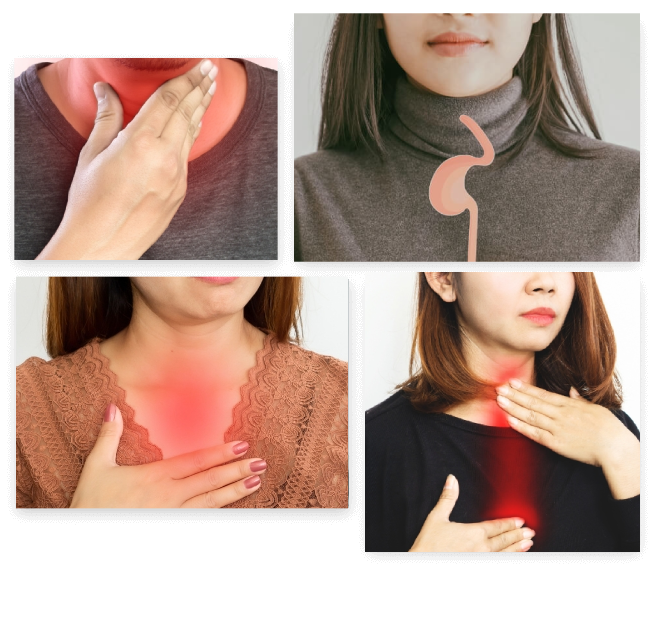
Acid reflux and GERD are conditions where stomach contents move upward into the esophagus, creating symptoms like burning, pressure, chest tightness, a sour taste, or persistent throat irritation. While these symptoms are often attributed to excess stomach acid, the real issue is usually a disruption in how the digestive system is functioning.
Acid reflux is the symptom — the occasional experience of stomach acid or contents moving up into the esophagus. GERD (Gastroesophageal Reflux Disease) is the chronic condition, which is diagnosed when acid reflux happens frequently, becomes more severe, or starts affecting quality of life.

Reflux doesn’t always show up as classic heartburn. Common symptoms include:
If symptoms are persistent, disruptive, or worsening, further evaluation is recommended.
Even if you’re trying to eat well and avoid trigger foods, reflux can persist when underlying issues remain unaddressed. Common root causes include:
Low Stomach Acid (Hypochlorhydria)
Contrary to popular belief, low stomach acid often leads to reflux by slowing digestion and increasing upward pressure on the esophageal sphincter that can force acid and food in the stomach up into the esophagus.
Poor Gut Motility
Slow gastric emptying or irregular movement of the digestive tract can cause pressure that pushes acid upward.
Food Sensitivities or Trigger Foods
Certain foods or eating habits can aggravate reflux by increasing irritation, slowing digestion, or relaxing the lower esophageal sphincter.
Hiatal Hernia
A hiatal hernia can cause acid reflux by allowing part of the stomach to push upward through the diaphragm, which disrupts the normal pressure barrier that keeps stomach contents from rising up into the esophagus.
Weak lower esophageal sphincter
The lower esophageal sphincter (LES) is a valve between the esophagus and stomach that normally prevents stomach contents from flowing back up. If the LES is weak, it can allow acid to escape into the esophagus, causing reflux symptoms.
Gut Dysbiosis
Imbalances like SIBO or candida can worsen reflux.
Stress & Nervous System Dysregulation
Stress weakens the lower esophageal sphincter, slows digestion, and increases esophageal sensitivity to acid—making reflux more likely.
Hormonal Factors
Certain hormone imbalances and changes can relax the esophageal sphincter, allowing acid to move upward.


At Vitalita Wellness Institute, we take a root-cause, whole-body approach to reflux. Instead of masking symptoms with long-term acid suppressants, we identify what’s driving your discomfort and support healthy digestion from the ground up.
Comprehensive Testing (When Needed)
Testing may include:
Personalized Nutrition
Your nutrition plan may include:
Botanical & Functional Medicine
Based on your root cause, treatment may include:
Lifestyle & Nervous System Support
Sustainable strategies may include:
Our goal is to restore comfort and optimal digestive function.
If you’re ready to move beyond temporary symptom relief and start addressing the true root causes of your reflux, we can help. Our personalized, functional approach is designed to restore comfort, reduce inflammation, and support long-term digestive health.
Book a Free Discovery Call HERE or reach out to our clinic to explore how we can work together.
Ready to embark on your health journey? Book your appointment online and let’s work together to achieve your health goals.
Designed & Developed by ScaleUp42.com
We offer appointments online & in-person
Please provide your info so our patient care coordinator can reach out and help you
find the best practitioner and service
You will be redirected to our online booking system to select your time.
