
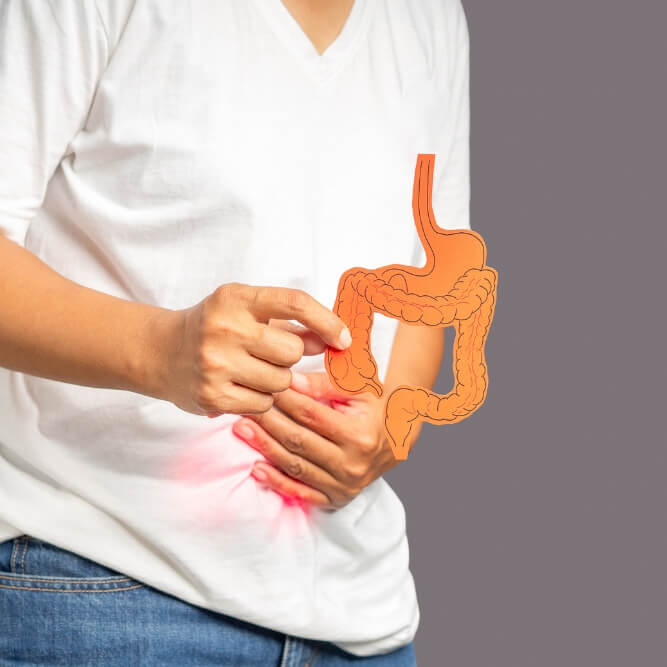
Inflammatory Bowel Disease (IBD) includes two chronic inflammatory conditions—Crohn’s disease and ulcerative colitis—that affect the digestive tract. While they share similarities, each condition impacts the body differently and requires personalized care.
IBD is far more than occasional digestive discomfort. It reflects a complex immune response that can affect digestion, nutrient absorption, inflammation, and overall wellbeing. Many women experience symptoms that disrupt daily life, energy, and confidence around eating.
Inflammatory Bowel Disease refers to chronic inflammation of the gastrointestinal tract due to dysregulated immune activity or autoimmunity.
Crohn’s disease can cause inflammation and ulcers in any part of the gastrointestinal tract from mouth to anus.
Ulcerative colitis can cause inflammation and ulcers only in the colon and rectum.
While the exact root cause of IBD is still not fully understood, research highlights a combination of genetic predisposition, immune dysregulation, microbiome imbalance, environmental triggers, and changes in gut barrier function as contributing factors.
Understanding your personal inflammation patterns, triggers, and overall health landscape is key to reducing and managing symptoms.

While IBD is an immune-driven condition, several factors can influence symptom frequency and intensity:
Microbiome Imbalance
Disruptions in the gut microbiota can amplify inflammation and weaken the intestinal barrier.
Changes in Gut Barrier Function
Increased intestinal permeability (“leaky gut”) can trigger immune reactivity and worsen symptoms.
Immune Activation & Inflammation
An overactive or dysregulated immune response often underlies flares and ongoing inflammation.
Food Sensitivities or Trigger Foods
Certain foods may aggravate inflammation, digestion, or immune activity. Triggers vary widely and are highly individual.
Stress & Nervous System Dysregulation
Chronic stress can directly influence gut motility, barrier integrity, immune activity, and inflammation.
Infections or Dysbiosis
Gut pathogens, microbial imbalances, or post-infectious changes can trigger or worsen symptoms.
Nutrient Deficiencies
IBD often leads to low levels of iron, B12, vitamin D, calcium, magnesium, zinc and more—each of which can impact energy, inflammation, and healing.

At Vitalita Wellness Institute, we focus on supporting digestive integrity, calming inflammation, immune system regulation and improving overall resilience. Our approach integrates naturopathic medicine, functional testing, nutritional therapy, and personalized care.
Comprehensive Testing (When Needed)
We assess underlying patterns influencing your symptoms and flare cycles. Testing may include:
Personalized Nutrition
Nutrition plays an essential role in managing IBD, reducing inflammation, and improving gut healing. We tailor dietary strategies to your symptoms, triggers, and digestive tolerance. This may include:
Botanical & Functional Medicine
Based on your needs, treatment may include:
Lifestyle & Nervous System Support
We incorporate strategies for:

If you’re ready to explore a root-cause, supportive approach to IBD, we’re here to help. Our functional, personalized approach focuses on reducing inflammation, rebuilding digestive resilience, and improving your overall quality of life.
Book a Free Discovery Call HERE or reach out to us to explore how we might work together.
Ready to embark on your health journey? Book your appointment online and let’s work together to achieve your health goals.
Designed & Developed by ScaleUp42.com
We offer appointments online & in-person
Please provide your info so our patient care coordinator can reach out and help you
find the best practitioner and service
You will be redirected to our online booking system to select your time.
