
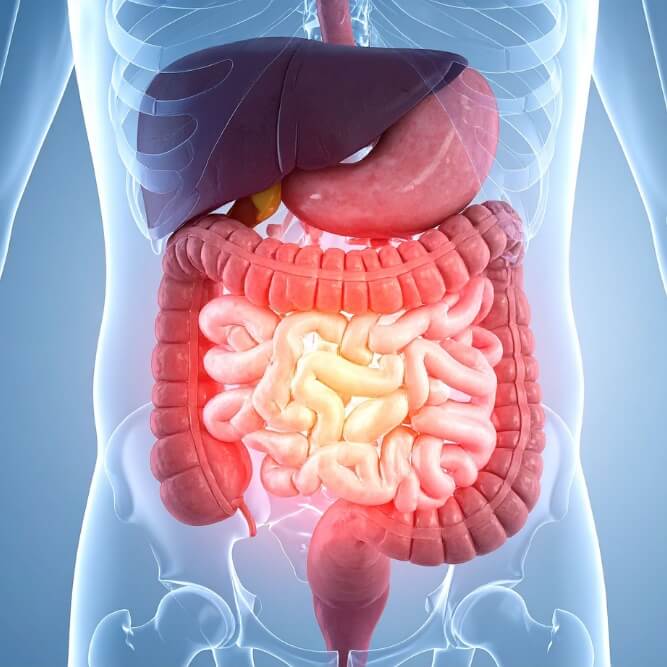
Gas and belching are normal digestive processes, but when they become persistent, painful, or disruptive, they can signal that the digestive system isn’t functioning as efficiently as it should. These symptoms often reflect how well the stomach breaks down food, how smoothly the intestine moves nutrients along, and how balanced the gut microbiome is. When even one part of this system slows down or becomes imbalanced, excess gas can build up and escape as bloating, pressure, or frequent burping.
Many women are surprised to learn that chronic gas or belching isn’t always due to eating “the wrong foods.” Digestive enzyme output, stomach acid levels, motility, nervous system regulation, and gut bacteria all play important roles in preventing uncomfortable gas accumulation. By understanding your individual digestive patterns, we can determine where the imbalance is coming from and create a targeted plan that restores comfort, reduces symptoms, and improves overall gut function.
Rather than simply avoiding certain foods, understanding why your digestion is producing excess gas helps uncover the root causes and restore comfort, efficient digestion, and long-term gut resilience.

Low or High Stomach Acid
Low stomach acid means food isn’t being broken down well, so it sits longer, ferments, and can cause gas, bloating, and early fullness. High stomach acid can trigger reflux and irritation, which often makes people swallow more to ease the discomfort—bringing extra air into the stomach. It can also disrupt normal stomach movement, leading to more belching.
Gut Dysbiosis or Bacterial Overgrowth
Imbalances in gut bacteria (including SIBO) can cause fermentation in the small intestine, leading to gas, distention, burping and both upper and lower GI symptoms.
Food Sensitivities or Poor Food Breakdown
Difficulty digesting certain food components or underlying sensitivities can lead to increased fermentation and gas production.
Enzyme Insufficiency
Low digestive enzyme output—either from the pancreas or brush-border enzymes—can cause gas, loose stools, belching, and indigestion.
Rapid Eating or Swallowing Excess Air
Eating quickly, talking while eating, chewing gum, or mouth breathing can increase swallowed air, leading to more belching.
Stress & Nervous System Imbalance
Stress reduces digestive secretions and slows motility, increasing fermentation and gas production.
At Vitalita Wellness Institute, we take a root-cause, naturopathic medicine approach to understand why your digestion is struggling—so you get relief that lasts.
Comprehensive Testing
We use targeted tests to assess the underlying drivers of gas and belching:

Personalized Nutrition
Your plan may include:
Botanical & Functional Medicine
We use evidence-informed natural therapies such as:
Lifestyle & Nervous System Support
We help you address the factors influencing digestion daily, including:
Absolutely. Probiotics are not always the right solution and can even worsen symptoms in cases like SIBO. We tailor treatment based on your unique root cause.

If gas or frequent belching is affecting your comfort, confidence, or daily life, we can help. Our naturopathic, root-cause approach is designed to restore healthy digestion—not just mask symptoms.
Book a Free Discovery Call HERE or reach out to us to explore how we might work together.
Ready to embark on your health journey? Book your appointment online and let’s work together to achieve your health goals.
Designed & Developed by ScaleUp42.com
We offer appointments online & in-person
Please provide your info so our patient care coordinator can reach out and help you
find the best practitioner and service
You will be redirected to our online booking system to select your time.
