
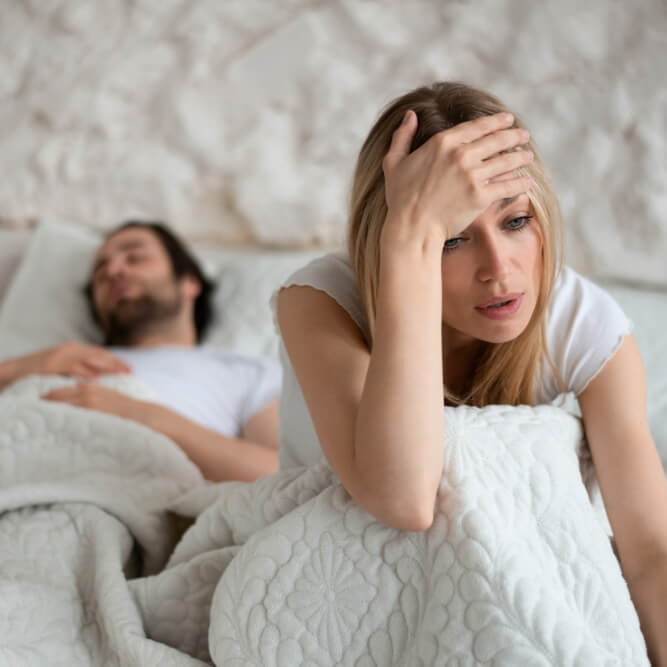
Low libido is a common yet often unspoken concern for women, especially during times of hormonal change or chronic stress. A reduced desire for intimacy is not simply a “mental” issue or something to push through—it’s often your body’s way of signaling that something deeper needs attention.
Sexual desire is influenced by a complex interplay between hormones, nervous system regulation, emotional safety, energy levels, and overall health. When one or more of these systems are out of balance, libido is often one of the first things to shift.

Low libido is rarely caused by a single factor. Common contributors include:
Hormonal Imbalances
Imbalances in estrogen, progesterone, testosterone, thyroid hormones, or cortisol can directly impact sexual desire, arousal, and sensitivity.
Chronic Stress & Nervous System Dysregulation
Ongoing stress shifts the body into survival mode, prioritizing cortisol over sex hormones. When the nervous system is chronically activated, libido is often suppressed—even if hormone levels appear “normal” on basic testing.
Blood Sugar & Metabolic Imbalances
Unstable blood sugar and insulin resistance can impair hormone signaling, energy levels, and circulation, all of which are essential for healthy libido.
Nutrient Deficiencies
Low levels of key nutrients can reduce energy, hormone production, and sexual responsiveness.
Medications & Hormonal Birth Control
Certain medications—including antidepressants, hormonal contraceptives, and some blood pressure medications—can significantly reduce libido by altering neurotransmitters or hormone balance.
Inflammation & Gut Health Issues
Chronic inflammation, gut imbalances, and impaired detoxification can disrupt hormone metabolism and increase fatigue, brain fog, and discomfort—making desire harder to access.
Emotional, Relational & Psychological Factors
Burnout, resentment, body image concerns, trauma history, or lack of emotional safety can all influence libido, especially when combined with physiological imbalances.
At Vitalita Wellness Institute, we take a holistic, root-cause approach to low libido. While your plan is customized to your health and underlying factors, some options may include:
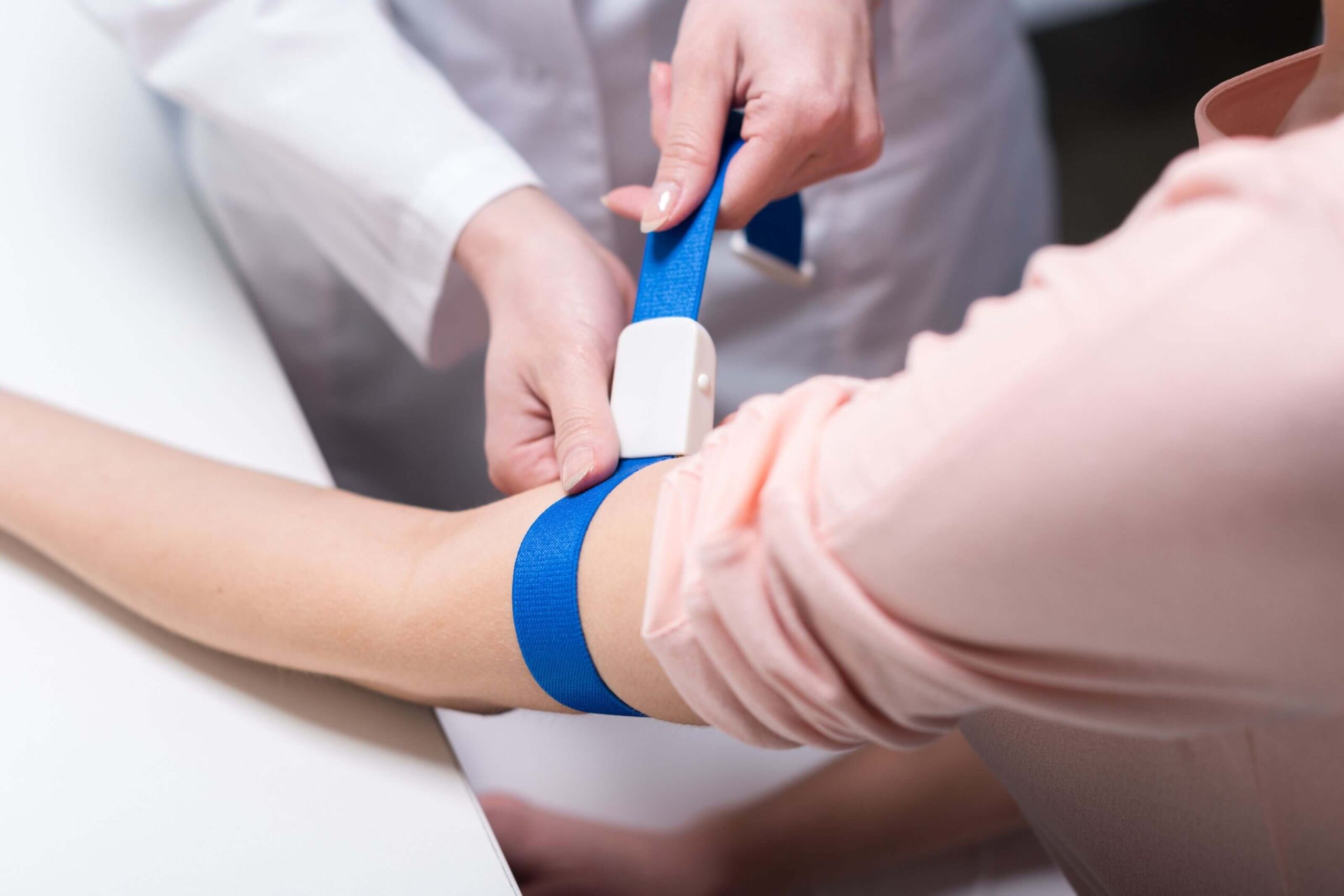
Comprehensive Testing (When Needed)
Personalized Nutrition
Botanical & Functional Medicine
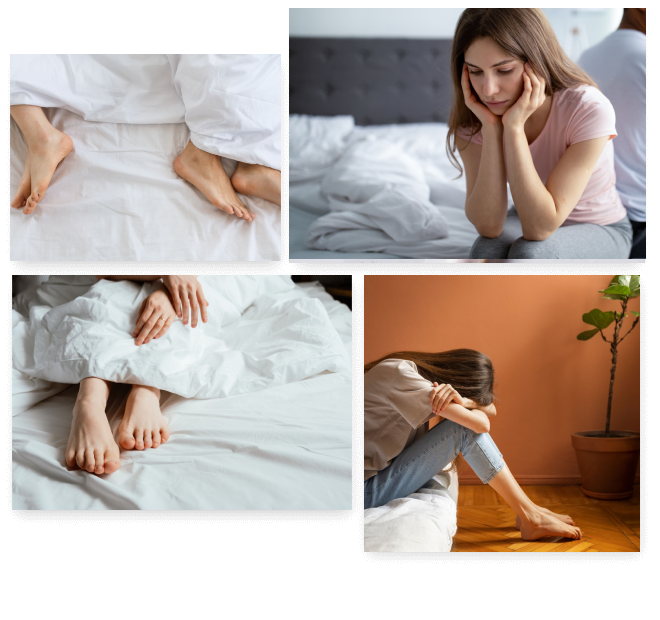
Low libido is not something to “fix” with willpower. It’s valuable feedback from your body about its internal environment. With the right support, libido can return naturally as balance, safety, and vitality are restored. If low libido is affecting your confidence, relationships, or sense of connection, we’re here to help.
Book a Free Discovery Call HERE or reach out to us to explore how we might work together.
Ready to embark on your health journey? Book your appointment online and let’s work together to achieve your health goals.
Designed & Developed by ScaleUp42.com
We offer appointments online & in-person
Please provide your info so our patient care coordinator can reach out and help you
find the best practitioner and service
You will be redirected to our online booking system to select your time.
