
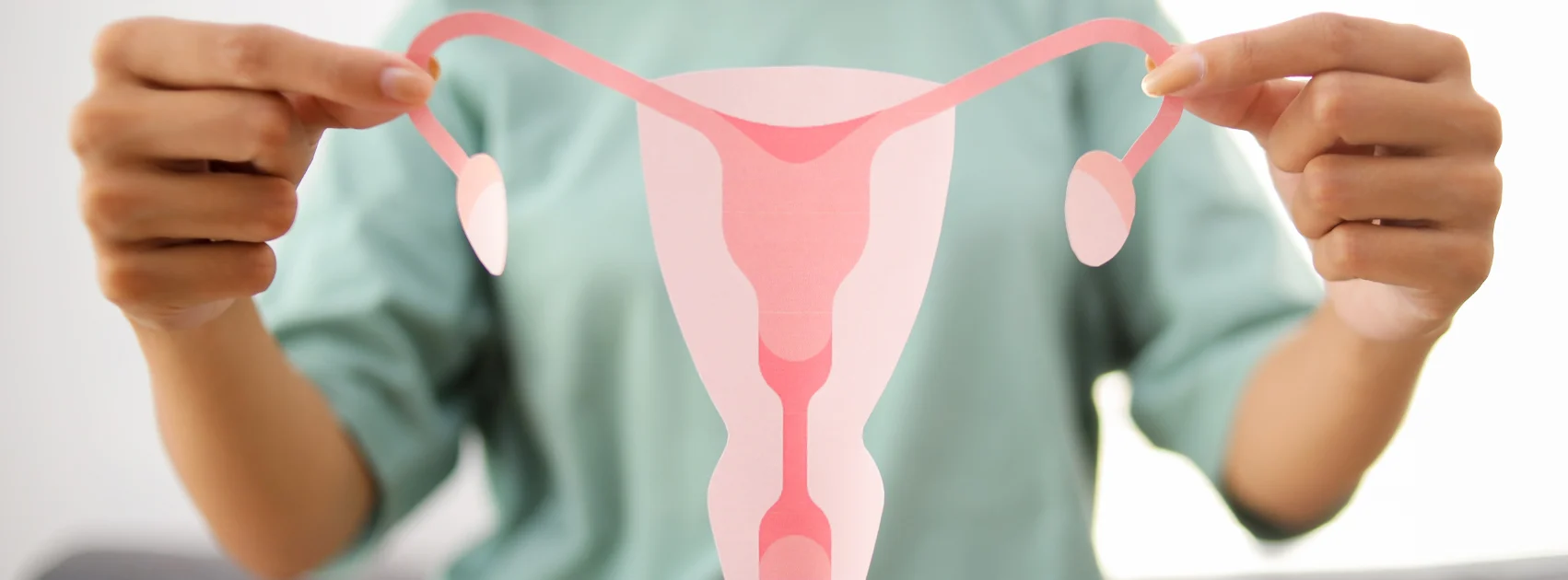
If you’ve been told you have PCOS (Polycystic Ovary Syndrome), you probably already know the basics: irregular cycles, difficulty losing weight, breakouts, excess hair growth, or potential challenges with fertility.
But what’s often missing from the conversation is why these symptoms occur — and understanding that “why” is where real healing begins.
PCOS Is a Whole-Body Condition
Despite the name, PCOS isn’t just a condition of the ovaries. In many ways, your ovaries act as messengers, reflecting deeper imbalances happening throughout the body. To truly resolve PCOS symptoms, we need to look beyond the reproductive system and uncover the root causes driving them.
Here are some of the most common underlying factors:
- Insulin Resistance
When your body becomes less responsive to insulin, your pancreas compensates by producing more. Elevated insulin levels signal the ovaries to increase testosterone production — which can lead to acne, hair growth in unwanted places, and irregular or absent ovulation. - Chronic Inflammation
Low-grade inflammation, often stemming from gut imbalances, food sensitivities, or environmental toxins, can worsen insulin resistance and disrupt how your brain communicates with your ovaries. - Hormone Clearance Issues
Your liver and gut are responsible for metabolizing and eliminating hormones. When these systems become sluggish, estrogen and other hormones can recirculate, amplifying symptoms such as bloating, breast tenderness, or mood changes. - Stress and Cortisol Imbalance
Chronic stress redirects energy away from reproduction and toward survival. Elevated cortisol can interfere with progesterone production, ovulation, worsen insulin resistance, and keep the body in a constant “fight or flight” mode — making it harder to heal.
Why PCOS Looks Different for Everyone
Each woman with PCOS has a unique combination of these underlying factors. Some may struggle primarily with insulin resistance, while others may be more affected by stress, inflammation, or poor hormone detoxification.
That’s why a one-size-fits-all approach doesn’t work. Healing PCOS requires personalized insight — starting with the right testing.
Our Investigative Approach at Vitalita Wellness Institute
At Vitalita Wellness Institute, we take a root-cause approach to understanding PCOS. Instead of simply managing symptoms, we uncover the imbalances driving them.
Our comprehensive assessments can include:
- Advanced hormone panels – to evaluate how your body is producing, metabolizing, and clearing estrogen, progesterone, testosterone, DHEA, and cortisol through the DUTCH Test.
- Insulin and glucose tests– to reveal hidden metabolic stress, even when standard blood sugar labs look “normal.” We use these investigations to calculate the level of insulin resistance.
- Gut and inflammation markers – to assess how digestion and immune function may be contributing to hormonal disruption. Some tests may include the GI MAP stool test, SIBO test or food sensitivity test.
- Cortisol rhythm mapping – to identify how daily stress patterns may be impacting ovulation, energy, and overall resilience.
Once we have this full-body map, we create a personalized plan to restore balance from the inside out. For some women, this means focusing on balancing blood sugar through nutrition and targeted supplements. For others, it’s about reducing inflammation, repairing gut health, or supporting liver detoxification so hormones can flow freely again.
When you address the deeper “why” behind PCOS, healing becomes not only possible — but sustainable.
3 Ways to Start Healing PCOS Naturally — Today
You don’t need a complete overhaul to start supporting your hormones. Small, consistent changes can make a big impact over time. Here are three simple steps you can begin today:
- Walk for 10 Minutes After Meals
A short walk after eating helps lower post-meal blood sugar and improves insulin sensitivity — one of the biggest drivers behind PCOS. It’s a gentle way to signal your body that it’s safe, calm, and metabolically balanced. - Prioritize a Protein-Rich Breakfast
Starting your day with 20–30g of protein (like eggs, Greek yogurt, or a protein smoothie) helps stabilize blood sugar, reduce cravings, and set your hormones on the right track for the rest of the day. - Create a Simple Evening Wind-Down Routine
Chronic stress can worsen PCOS symptoms by disrupting cortisol and ovulation. Try setting aside 10–15 minutes before bed to unwind — dim the lights, journal, stretch, meditate or breathe deeply. Calming your nervous system supports hormone balance at the root.
Even small shifts like these can start to calm inflammation, balance insulin, and help your body return to its natural rhythm.
If you’re ready to move beyond symptom management and uncover why your hormones feel out of balance, we can help.
 Book a personalized consultation to get real answers, insight, and a treatment plan tailored to your body’s needs.
 Click here to schedule your appointment or contact us directly to learn more here.
