
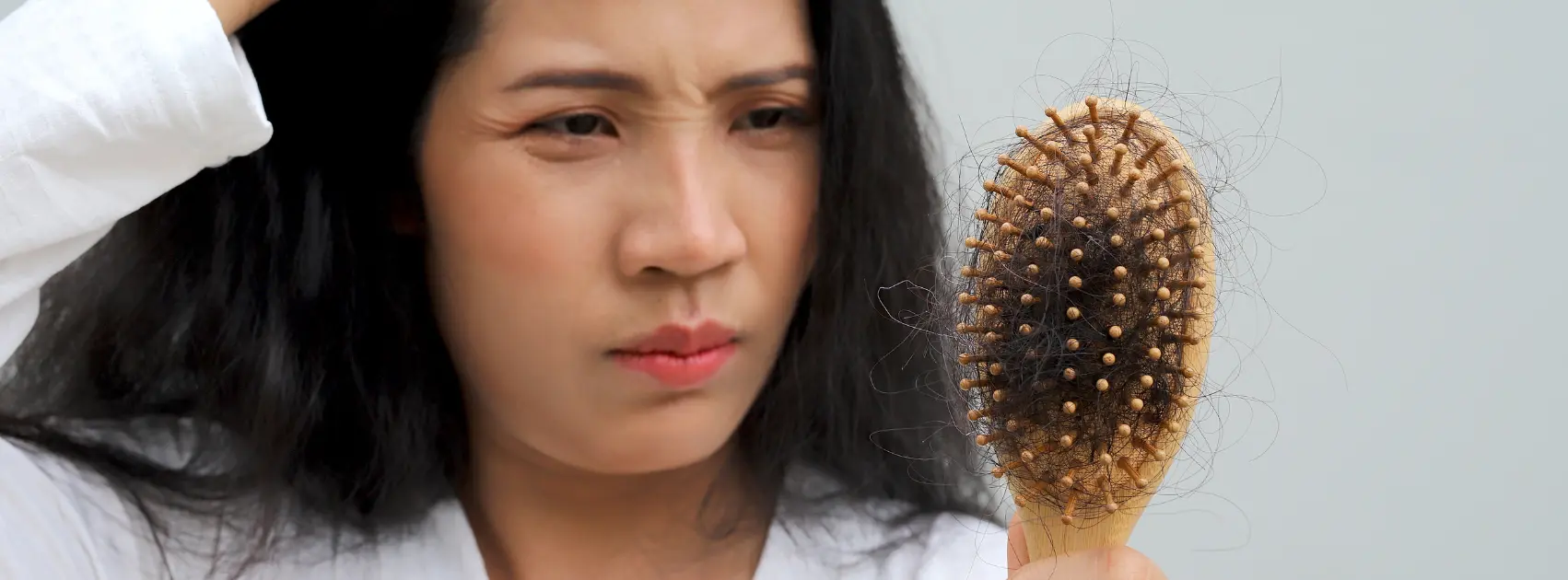
Hair loss can be incredibly frustrating and emotionally distressing. Whether you’ve noticed more strands in your brush, a widening part, or thinning at the temples, it can feel like your body is betraying you. But hair loss is not just a cosmetic concern — it’s often a signal that something deeper is out of balance in the body.
Let’s break down the most common causes of hair loss in women, how to test for underlying imbalances, and what you can do to restore healthy hair growth naturally.
What Causes Hair Loss?
Hair loss in women can result from a variety of interconnected factors. Here are some of the most common:
1. Hormonal Imbalances
Fluctuations in estrogen, progesterone, and androgens (like testosterone and DHT) can significantly affect hair health. When estrogen or progesterone drops (such as during perimenopause, postpartum, or after stopping the birth control pill), androgen dominance can lead to thinning and shedding. High levels of DHT (a derivative of testosterone) can shrink hair follicles and shorten the hair growth cycle.
2. Thyroid Dysfunction
Both hypothyroidism and hyperthyroidism can disrupt the hair growth cycle, leading to diffuse thinning or brittle hair. Low thyroid hormone levels also impair the body’s ability to metabolize nutrients critical for hair growth.
3. Nutrient Deficiencies
Hair is not essential for survival, so when your body is nutrient-depleted, it redirects resources elsewhere. Common deficiencies that contribute to hair loss include:
- Iron
- B12 and folate
- Biotin
- Zinc
- Protein
- Omega-3s
4. Stress and Cortisol Dysregulation
Chronic stress pushes the body into a catabolic (breakdown) state, raising cortisol and triggering a phase called telogen effluvium — a sudden shift where a large percentage of hairs prematurely enter the shedding phase.
5. Gut Imbalances
Poor digestion, dysbiosis, or low stomach acid can impair nutrient absorption and lead to inflammation, which affects the hair follicle. Conditions like leaky gut or candida overgrowth may also contribute.
6. Toxins and Heavy Metals
Exposure to environmental toxins, including mold, mercury, or arsenic, can disrupt cellular function and impact hair follicles directly.
How to Test for Root Causes
Functional testing helps take the guesswork out of treatment. Here are the most useful tests:
- DUTCH Test – to evaluate hormone levels and metabolites, especially estrogen, progesterone, and DHT
- Thyroid Panel – including TSH, Free T3, Free T4, Reverse T3, and thyroid antibodies
- Comprehensive Blood Work – to check ferritin, iron saturation, B12, folate, zinc, and inflammatory markers
- GI-MAP – to assess the microbiome and detect pathogens or leaky gut
How to Restore Healthy Hair Growth Naturally
Once you’ve identified the underlying drivers of hair loss, you can create a targeted plan to support your body and hair. Here are three foundational steps:
1. Nourish from Within
Prioritize whole foods rich in:
- Protein – necessary for keratin production (aim for at least 20g per meal)
- Iron & B12 – from grass-fed meats, lentils, and leafy greens
- Zinc – from pumpkin seeds, oysters, and beef
- Omega-3s – from flaxseed, walnuts, and olive oil
- Collagen – from bone broth, nettle tea, and cucumbers
Support digestive function with warm, cooked meals, digestive bitters, and mindful eating to enhance nutrient absorption.
2. Balance Hormones Naturally
- Cycle-sync your lifestyle to support natural hormonal rhythms
- Limit Stimulants: Reduce caffeine and alcohol, which can exacerbate stress and hormonal imbalances.
- Avoid xenoestrogens in plastics, personal care, and household products
3. Stress Management
- Practice Mindfulness and Relaxation Techniques: Activities like meditation, deep breathing, yoga, or even simple walks in nature help lower cortisol levels and calm the nervous system.
- Prioritize Sleep: Quality sleep is crucial for stress recovery and hair follicle regeneration.
- Stay Physically Active: Regular exercise not only reduces stress but also improves blood flow to the scalp.
- Set Boundaries and Manage Workload: Avoid chronic burnout by balancing work and rest, saying no when needed, and creating space for self-care.
Final Thoughts
Hair loss is rarely just about hair. It’s a signal from the body that deeper healing is needed — hormonally, nutritionally, or emotionally. You can uncover what’s really going on and begin to support true regeneration from the inside out.
If you’re dealing with stubborn hair thinning or excessive shedding, don’t guess — test and treat the root cause.
🌿 Book a personalized consultation to get real answers, insight, and a treatment plan tailored to your body’s needs.
 Click here to schedule your appointment or contact us directly to learn more here.
